International Sushi Day
Hit up your favorite local sushi joint, or try your hand at making your own. From raw salmon to fried avocado, there’s something for everyone with sushi.
Drive foot traffic and online orders to sushi restaurants and specialty retailers by positioning International Sushi Day as a cultural celebration that welcomes both enthusiasts and newcomers.
- Try sushi for the first time: beginner-friendly rolls (Philadelphia, California) vs. acquired tastes
- Behind-the-scenes: the 20-year mastery journey of a sushi chef (itamae training)
- DIY sushi-making kits and tutorials for home cooks
- Sushi restaurant spotlights: local vs. premium chains, chef interviews


Zin in sushi? Bestel online bij Sushi King Westmalle. Vers, snel en lekker.
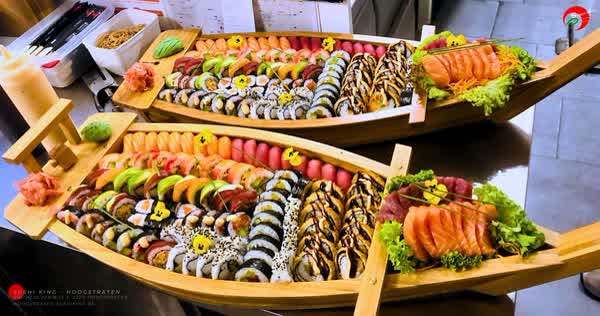
Zin in Sushi vanavond? Bij Sushi King Hoogstraten vind je elke dag de meeste verse en lekkerste sushi! Liever Sushi Bestellen? Wij leveren ook bij jouw thuis!
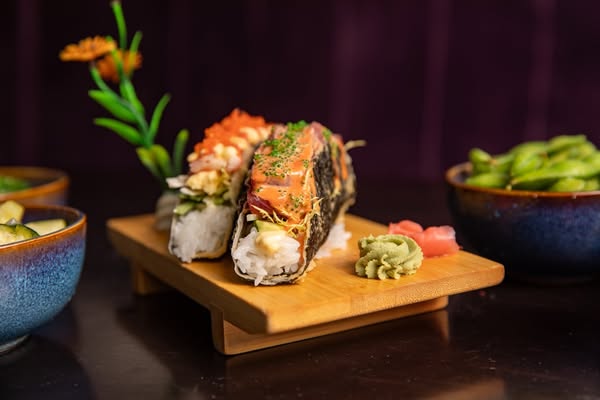
🍜 Zin in écht goede sushi of een dampende kom ramen? 🍣 Bij Minami in Maastricht draait alles om verse ingrediënten, pure smaken en een ontspannen sfeer. Ons uitgebreide menu biedt meer dan 70 Aziatische gerechten, perfect voor sushi-liefhebbers en noodle-fans. Of je nu gaat voor een poké bowl, dra
Campaign ideas8
- Host a 'Sushi Art' contest: encourage customers to post their sushi spreads or plating on social media for a chance to win a free meal; curate the best entries for your feed
- Launch limited-edition rolls: create time-limited seasonal or fusion rolls exclusively for International Sushi Day, building urgency and driving foot/online traffic
- Partner with local sake or beverage brands: create pairing menus and co-promote with complementary products (sake, Asian beer, premium soy sauce)
- Run a sushi-making class or virtual workshop: host in-person or online DIY rolling sessions on or near June 18 to engage customers and generate social content
- Sustainability spotlight campaign: highlight responsibly sourced fish, ocean conservation efforts, or partnerships with ethical suppliers to appeal to conscious consumers
- Flash sale via email & SMS: send exclusive early-bird discount codes to loyalty members 24 hours before the day for maximum urgency and list-building
- Collaborate with food delivery apps: partner with DoorDash, Uber Eats, etc., to offer exclusive day-of promotions and reach new customers
- Behind-the-scenes content series: post 3-5 prep videos, chef interviews, or ingredient sourcing stories leading up to June 18 to build authenticity and anticipation
Social angles6
- Health angle: '6 grams of protein in every roll. Celebrate International Sushi Day with food that fuels your body & your soul. #InternationalSushiDay #HealthyEating'
- Artistry angle: 'Sushi is more than food—it's an art form. Every roll is crafted with precision & passion. 🎨 #SushiArt #InternationalSushiDay #JapaneseCraftsmanship'
- Sustainability angle: 'Every piece matters. Our sushi supports sustainable fishing & ocean conservation. Celebrate responsibly. #SustainableSushi #ConsciousEating'
- FOMO/Urgency angle: 'Limited-edition rolls disappearing fast 🍣 Only available on International Sushi Day. Order now before they roll away! #InternationalSushiDay #LimitedTime'
- Community angle: 'Sushi brings people together. Share your favorite rolls & tag a friend you'd love to roll with. #SushiCommunity #InternationalSushiDay #ShareTheLove'
- Behind-the-scenes angle: 'Meet the artists behind the rolls. Our chefs prepare every piece with 20+ years of mastery. See the magic. [Story/Video] #SushiCraft #ChefLife'
Ad copy starters5
“Celebrate like you mean it. 🍣 Fresh-caught sushi rolls at 20% off. June 18 only. Shop now.”
“From ocean to table in 48 hours. Taste the difference. International Sushi Day specials live.”
“Where tradition meets innovation. Handcrafted nigiri, creative fusion rolls, and signature specials. Celebrate with us.”
“Bold flavors. Sustainable sourcing. Uncompromising quality. Discover sushi done right this International Sushi Day.”
“Roll into flavor. Limited-edition spicy tuna, rainbow dragon, and chef's choice platters available June 18.”
Tips4
- DO: Lead with visuals—sushi is inherently photogenic and shareable. Ensure every piece has restaurant branding visible in packed boxes or serving presentations for organic social amplification.
- DON'T: Ignore sustainability messaging. Modern sushi consumers (esp. millennials & Gen Z) care about sourcing. Highlight responsibly-caught fish, partnerships with conservation orgs, or eco-friendly packaging.
- DO: Start promotions early. Email and SMS campaigns should launch 5-7 days before June 18; social teasing should start 2 weeks out to build momentum.
- DON'T: Rely solely on discounts. While deals drive traffic, emphasize artistry, health benefits, and experience (chef's interaction, quality, storytelling) to defend margins and build loyalty.
International Sushi Day got its start in 2009 when it was founded by Chris DeMay. But the background of the star of this day goes back much further! Tracing sushi’s origins leads us on an interesting journey, taking us back to SE Asia and a method of storing and preserving fish for later consumption.
Known as Narezushi, fish was stored by being wrapped in salted and fermented rice where it would remain good for months at a time thanks to the fermentation of the rice. Originally the rice was thrown away when it was ready to eat, and only the fish was consumed.
The next stage in the development of sushi would be far more familiar to the modern palate, known as namanare it was made from partly raw fish that was wrapped in fish and consumed before the flavor changed.
Sushi had changed from a way to preserve fish to a new form of cuisine. But this wasn’t the last stage in the foods evolution.It was in the Edo Period, between 1600 and 1800AD in Japan, that the traditional form of sushi we know today came to exist.
At this point it was unique to Japanese culture and consisted of fish and vegetables wrapped in rice, the rice was mixed with vinegar. This form of sushi had regional variations, but the basic idea is still one of the most popular forms of sushi today.
Head Out for Sushi
This is the simplest way to enjoy International Sushi Day. Head to your local specialist sushi restaurant and enjoy the delicacies lovingly prepared by a professional sushi chef. When we tell you that some chefs live and breathe sushi – we mean it. It is more than a simple foodstuff to them. Becoming what is known as an itamea of sushi in Japan requires many years of intense training and apprenticeship. After around five years of working with a master itamae, an apprentice sushi chef is given their first important task: preparing the sushi rice. The entire process can take as long as twenty years, so you are pretty much guaranteed excellent food if you go to a sushi bar. How many other professions train for that long?
Introduce a Friend to Sushi
Many people turn their nose up and screech ‘ewwwww’ at the thought of eating what they (wrongly!) perceive as a slimy raw fish dish, but as we have tried to debunk that particular myth above, why not try taking your bestie along to a restaurant and see if you can sway their thinking a little? You might want to persuade them to try a simple miso soup (umami, soy-based soup) or the beginner-friendly Philadaphia roll, made up of Salmon, avocado, and cream cheese. It is probably a good idea to leave the more acquired taste of the uni (sea urchin) or the complex and rare Wasabi tobiko (wasabi tobiko with quail egg has the raw egg yolk sitting in a bed of caviar, which is wrapped in a sheet of seaweed) until they have got their taste buds and preconceptions sorted.
Make your Own Sushi
Ok, so it is not going to taste anywhere near the standard of a proper sushi chef, but it is always fun to have a go, right? There are plenty of easy-to-follow recipes online for some of the more basic sushi dishes, and the ingredients and the equipment that you will need to create that oh-so-perfect roll are readily available these days. Why not throw a sushi-making competition with your friends? You never know, one of you might be a super chef in the making!