NBA All-Star Game
The NBA All-Star Game is a glittering midseason showcase that gathers many of the league’s brightest stars into one arena and lets them play a brand of basketball that is equal parts skill exhibition, creative experimentation, and fan service. It is where no-look passes become a language, fast breaks turn...
Capitalize on the NBA All-Star Game's midseason peak viewership and entertainment buzz to drive watch-party hosting, sports merchandise, food & beverage promotions, and fan engagement activations.
- Host the ultimate All-Star watch party: arena vibes at home with themed snacks, trivia, and mini basketball contests
- Game day gear: jersey sales, team apparel, and sports merchandise tie-ins during peak fan interest
- Food & beverage promotions: 'slam dunk' concession-style snacks and party packages for group viewing
- Social media moments: user-generated content from watch parties, player highlights, and fan predictions
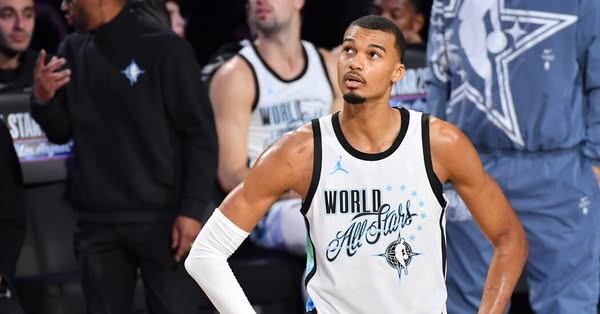
When the international players at the NBA All-Star Game were introduced with their home countries, the map behind Victor Wembanyama was not actually France but more closely resembled the boundaries of the Capetian dynasty, which ruled the region from 987 to 1328.
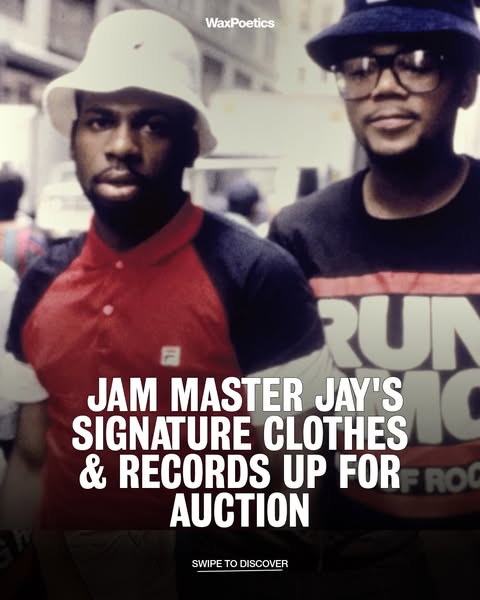
The Jam Master Jay Collection is now live… Together with the Jam Master Jay estate, we’ve curated a collection honouring the life and influence of Jam Master Jay through the items that defined his style, work and impact on hip hop culture. As one founding members of Run DMC, his contributions the gr
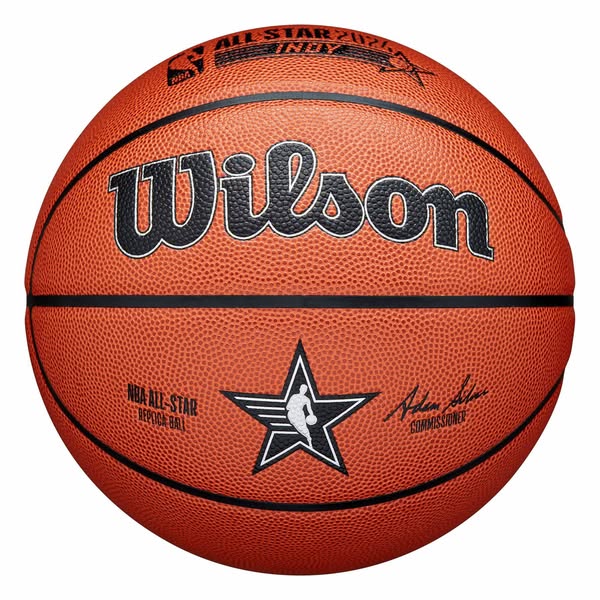
Massive NBA Sale! 🏀 Get up to 50% off authentic Nike & Jordan gear. Trikots, shorts, and caps are moving fast. Shipped from Germany: Fast delivery and no customs. Grab yours at TAASS!
Adam Silver, Cooper Flagg, Kon Knueppel and Jesser preview live "POV Mode" at 2026 NBA All-Star Technology Summit.
Campaign ideas8
- Host a pop-up experience at a high-traffic venue featuring product demos, photo ops with players, and limited-edition merch drops timed to All-Star week.
- Create a multi-city retail takeover across major cities with immersive, venue-specific brand moments (e.g., Jordan Brand's 8-location L.A. rollout).
- Launch a celebrity/influencer-focused event (concert, party, after-party) tied to All-Star Saturday night or the game itself.
- Build an interactive game station at NBA Crossover with gamification (skill challenges, leaderboards, prizes) that connects brand to basketball culture.
- Develop a naming rights or presenting sponsorship for a signature All-Star event (Dunk Contest, 3-Point Contest, Rising Stars game).
- Partner with a player for exclusive co-branded product drops, meet-and-greets, or heritage-driven storytelling (e.g., AT&T x Shai Gilgeous-Alexander merch).
- Create a customization or DIY station (sneaker customization, jersey design, vintage vault browsing) for hands-on fan engagement.
- Launch a social/content campaign seeded during All-Star with behind-the-scenes access, player interviews, or fan-generated content challenges.
Social angles6
- "Behind the scenes at All-Star Weekend with [brand/player]. Catch exclusive moments you won't see anywhere else. #NBAAllStar #[BrandHashtag]"
- "Limited-edition [merch/collaboration] drops TODAY at NBA All-Star. Get it while it lasts. Link in bio. #AllStar2026 #DropAlert"
- "Can you shoot like an All-Star? Test your skills at [brand's] NBA Crossover activation. Show us your best shot. #NBAAllStar #Challenge"
- "Live from [city] 🏀 Our [brand experience] is where basketball meets [category]. Tag someone you'd bring. #NBAAllStar #VenueLife"
- "Shout out to [player] for rocking [brand collab]. Designed by locals, worn by legends. Available now. #NBAAllStar #Community"
- "We're giving away [prize/experience] to one lucky fan. RT + follow to enter. #NBAAllStar #Giveaway #AllStarWeekend"
Ad copy starters5
“"The All-Star moment awaits. Enter the [brand] experience at NBA All-Star Weekend. Limited access, unlimited culture."”
“"Get your kicks at All-Star. Custom designs. Exclusive drops. Player meet-and-greets. [Brand] at NBA Crossover, Feb 14-16."”
“"We partnered with [player] to design something no one's ever seen. Limited edition, All-Star exclusive. Shop now."”
“"Dunk on the court. Customize your gear. Meet the legends. [Brand] All-Star takeover. This is how you do sports marketing."”
“"VIPs and cardmembers get first access to vintage NBA gear, exclusive merch, and player meet-ups. Your All-Star pass awaits."”
Tips4
- Do: Lean into 'cultural authenticity' and uniqueness—brands that embrace what makes them different (not generic basketball tie-ins) create memorable moments fans actually engage with.
- Do: Activate beyond the arena—spread activations citywide across retail, beaches, and neighborhoods to maximize foot traffic and reach casual fans, not just arena attendees.
- Don't: Rely only on logo placement or naming rights—interactive, hands-on experiences (games, customization, photo ops, exclusive merch) drive engagement and buzz.
- Do: Tie brand to specific players or heritage storytelling—collaborations with star athletes and local artist/designer partnerships drive both credibility and shareable moments.
The NBA All-Star Game began in 1951 as a midseason exhibition intended to spotlight the league’s top talent and to give fans a single event where stars from different teams shared the same floor.
The first game took place in Boston, and Ed Macauley, a hometown favorite, was named the first All-Star Game Most Valuable Player. From the start, the concept was simple and powerful: put elite players together, let them play freely, and invite fans to enjoy basketball at its most imaginative.
For decades, the signature format matched the league’s structure: Eastern Conference versus Western Conference. That setup made the event easy to understand and gave it a built-in competitive storyline.
Fans could debate which conference had better guards, which one had deeper bigs, and whether a particular style of play would win out. Even though the game was an exhibition, conference pride often added just enough edge to keep it from feeling like a pure scrimmage.
As the NBA’s popularity grew, so did the All-Star experience around it. The event expanded into a full weekend built to celebrate different parts of the sport and the entertainment world that surrounds it.
The Slam Dunk Contest became a stage for aerial creativity, the Three-Point Contest highlighted precision and rhythm, and skills-based events emphasized ball handling, passing, and speed.
Over time, the weekend also featured games designed to spotlight emerging talent and celebrity participation, widening the audience and adding a playful “basketball for everyone” energy.
Selection has always been part of the drama. Fans love the debates: who deserved a spot, who was snubbed, and which rising player finally earned recognition. In modern formats, the league has used a blend of input to choose starters, combining fan voting with votes from players and media members.
Coaches select reserve players, which helps balance popularity with performance and ensures that high-impact contributors have a path to the event even if they are not headline names. The result is a roster that aims to reflect both what fans want and what the game itself has earned.
The All-Star Game has also evolved in how teams are formed. A major shift arrived when the league moved away from strict conference-based rosters to a captain-style draft format, allowing top vote-getters to select teammates from the pool of All-Stars regardless of conference.
This changed the tone from “East versus West” to “superteam versus superteam,” and it introduced a new layer of entertainment: fans not only watched the game, but they also watched the team-building. Debates shifted toward chemistry, fit, and which captain drafted the best blend of shooting, defense, and flair.
The league has experimented with the game’s structure to encourage competitiveness while keeping the exhibition joy intact. One of the most talked-about innovations was the use of a target-score finish, often referred to as the Elam Ending, in which the final period was played without a game clock, and teams raced to a target number.
That approach created a more intense ending because there was no possibility of “running out the clock.” Every possession mattered, and the game ended on a made basket, which is a fittingly basketball-centric way to close a showcase. The target score was set with symbolic meaning during its use, creating a tribute element that added emotional weight to the final stretch.
In other seasons, the league has returned to a more traditional format, reflecting an ongoing effort to balance nostalgia, competitiveness, and entertainment. This willingness to adjust is part of what keeps the event culturally relevant.
The All-Star Game is not a museum piece. It is a living show, and the NBA treats it like one, testing new ideas to keep fans engaged and to make players feel that the game is worth playing with real intent.
Beyond format and spectacle, the All-Star Game’s broader significance comes from what it represents. It is a rare moment when teammates become opponents, rivals become co-stars, and players who normally live inside tightly defined roles are encouraged to improvise.
A defensive specialist might try a step-back jumper. A center might handle the ball in transition. A pass-first guard might hunt a flashy finish at the rim. That freedom is part of the charm: it offers a view of the athletes’ creativity that the regular season, with its scouting reports and playoff stakes, does not always allow.
All-Star Weekend also leans into the NBA’s identity as both sport and culture. Music, fashion, and celebrity presence often blend into the broadcast, reflecting basketball’s place in modern entertainment.
At the same time, the weekend commonly includes community-focused events that connect players and the league with local organizations, youth programs, and service efforts. That dimension helps explain why the All-Star Game has lasting power.
It is not only a game on a schedule. It is a platform, a gathering, and a reminder that basketball can be fun, expressive, and shared.
In the end, the NBA All-Star Game remains a celebration of elite skill. It invites fans to appreciate the league’s best players in one place, doing what they do best: creating moments that look impossible until they happen.
Host a Watch Party
A watch party works best when it feels like a miniature arena, not just a TV on a wall. Start by setting the “court”: dim the lights slightly, arrange seating so everyone can see the screen, and decorate with basketball colors, mini hoops, pennants, or old ticket stubs and posters if available. If the group supports different teams or players, mix it up. The All-Star vibe is less about rivalry and more about appreciating talent. Food is part of the show. Basketball-themed snacks can be playful without becoming complicated: “slam dunk” nachos, “three-pointer” popcorn, bite-size sliders, or fruit skewers arranged like a basketball. A simple DIY “concession stand” table with labeled bowls and drinks keeps the party moving during the constant run of highlights. For entertainment between timeouts, add a few easy traditions: – A quick All-Star trivia round (past MVPs, iconic dunks, famous duos) – A “predict the moment” sheet (first dunk, first logo three, most assists) – A halftime mini contest: everyone takes five free throws on a door hoop or mini rim, with a small prize for the winner Dress codes make it more fun without pressuring anyone. Jerseys, team colors, or even “dress like a broadcaster” (suit jacket plus sneakers) fit the playful spirit. The goal is a shared experience: a room full of people reacting at the same time to a sudden behind-the-back pass or a surprise dunk attempt.
Play Some Hoops
The most authentic way to celebrate is to pick up a ball. The All-Star Game is built on showing off, so a casual run should lean into creativity rather than serious competition. A half-court game with rotating teams keeps things inclusive, especially if the group includes different ages or skill levels. To echo the weekend’s events, try mini-competitions that don’t require a full roster: – Free-throw contest: first to make 10, or best out of 20 – “Three-point” contest: use whatever distance makes sense for the court and players – Passing challenge: set targets on a wall or use cones and time each person – “Creative finish” round: each player invents a layup or floater variation, judged for style and control A good All-Star-inspired run also includes smart warmups. A few minutes of dynamic movement, ankle mobility, and light shooting reduces the risk of injury, especially when people get excited and start trying ambitious moves. The All-Star spirit is fun, but the goal is to feel good the next day, too.
NBA-Themed Crafts
Crafts turn the event into something hands-on, which is especially useful for families or groups that want an activity before tipoff. Posters are a classic. Make signs for favorite players, create an “All-Star Draft Board” on poster paper, or design imaginary team logos that mash up different styles. Simple projects that work with basic supplies: – Paper basketball garlands (orange circles with black marker lines) – Foam finger cutouts – DIY trading cards: draw a “player,” list humorous stats, and “trade” with friends – A scoreboard poster where someone records fun stats during the game (dunks, lobs, deep threes) For an extra layer, make it educational: include a small note on what each skill means. For example, a crafts table can include terms like “assist,” “screen,” and “fast break,” so newer fans learn the language while they create.
Fantasy Draft
A fantasy All-Star draft adds stakes to a game designed for entertainment. The simplest format is a snake draft: each person selects a roster of players and earns points based on easy-to-track stats such as points, rebounds, assists, steals, and blocks. Keeping scoring simple is the secret to making it enjoyable during live viewing. To make it feel like a real front office experience, assign light roles: – One person is the “commissioner” who sets rules and resolves debates – Another is the “stat tracker” that updates totals during breaks – Everyone else is “GM of vibes,” tasked with explaining their picks in dramatic fashion Add playful side bets that stay friendly: the lowest score might have to do a short, silly “postgame interview,” provide snacks next time, or wear mismatched team colors. The idea is not to punish anyone but to create laughter and investment in the action. If the group includes newcomers, allow a “wildcard” selection: one player picked purely for entertainment value, regardless of expected stats. It keeps the draft from turning into a spreadsheet exercise and matches the All-Star mood.
Social Media Fun
All-Star Weekend is built for highlight culture, and social media is where many fans react in real time. Sharing watch party photos, mini hoop contests, or homemade posters helps people feel part of a wider community, even when watching from home. A few ways to keep it interactive without turning it into constant scrolling: – Post a “starting five” photo of the watch party group – Run a poll among friends: best dunk, best pass, MVP pick – Share a short clip of a homemade halftime contest or a reaction to a big moment – Use common hashtags such as #NBAAllStar to join the larger conversation It can also be a good excuse to learn more about the athletes beyond the box score. Many fans use the weekend to appreciate players’ personal stories, style, and community work, which deepens the sense that these are real people with real journeys, not just stat lines.