Lunar New Year
The Lunar New Year, also known as the Spring Festival, celebrates the hope for a fresh start. It marks the beginning of the lunar calendar and brings families together in a flurry of activities.
Capitalize on Lunar New Year's multi-category gifting and home décor refresh cycle by positioning products as symbols of luck, prosperity, and fresh starts across fashion, food, and home segments.
- Red envelope gift guides: curate luxury items, tech, and fashion for gifting
- Festive feast kits: pre-packaged traditional dishes and ingredient bundles for easy celebration
- Home transformation bundles: lanterns, couplets, gold accents, and décor sets for instant festive spaces
- New Year, New Wardrobe: red apparel and accessories campaigns emphasizing luck and renewal
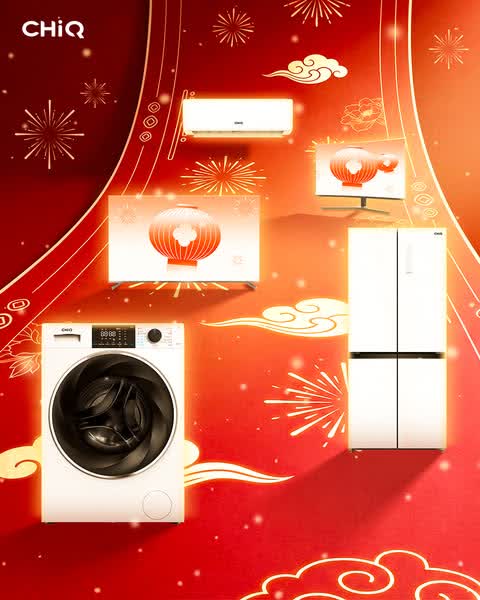
Gelukkig Chinees Nieuwjaar 🧧✨ Moge dit nieuwe jaar gevuld zijn met geluk, een goede gezondheid en vele onvergetelijke momenten. CHiQ wenst je een geweldige tijd samen met je familie. #CHiQ #SmartWithStyle #ChineseNewYear #Bringithome
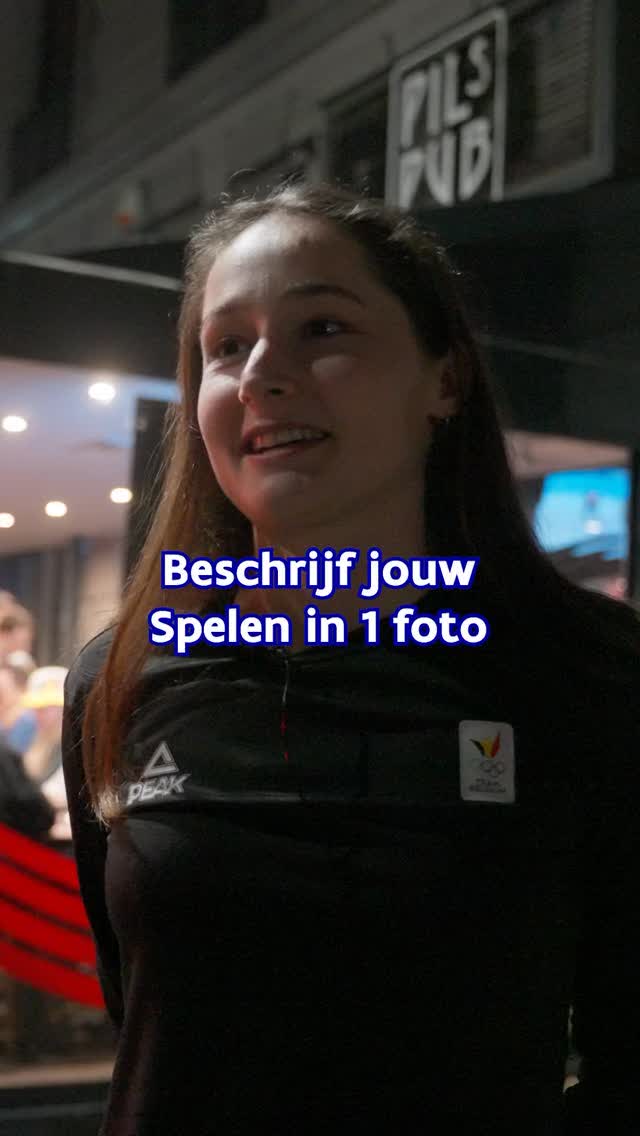
Behind the scenes op de Olympische Spelen. 👀 Daar komen altijd leuke verhalen uit! 😅 @fran_vanhoutte @adriaan.dewagtere @warre_van_damme @tinekedehulk @wardpetre @indra.medard #trotsoponzetoppers #milanocortina2026
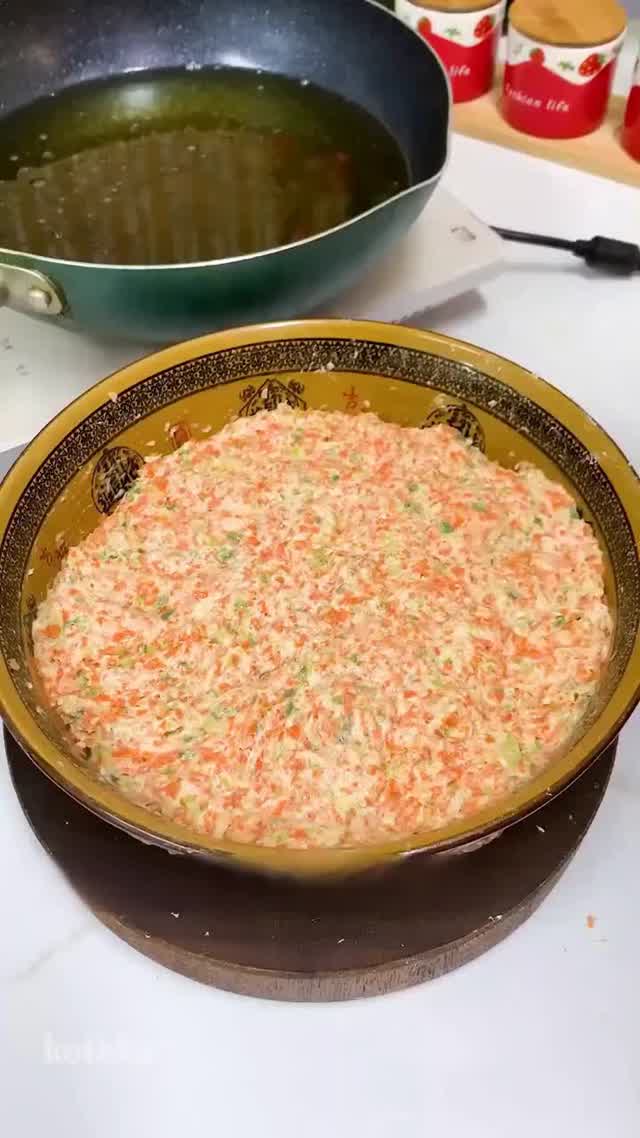
🎁 【Roestvrijstalen gehaktbalvorm voor in de keuken】 ⚡ Maak perfecte gehaktballen in 10 seconden – omdraaien is niet nodig, je handen blijven schoon!⚡ ✔️ Gemaakt van 18/10 roestvrij staal – duurzaam en vaatwasmachinebestendig ✔️ 6 standaardmaten – maak 20 gehaktballen in minder dan 2 minuten ✔️ Anti
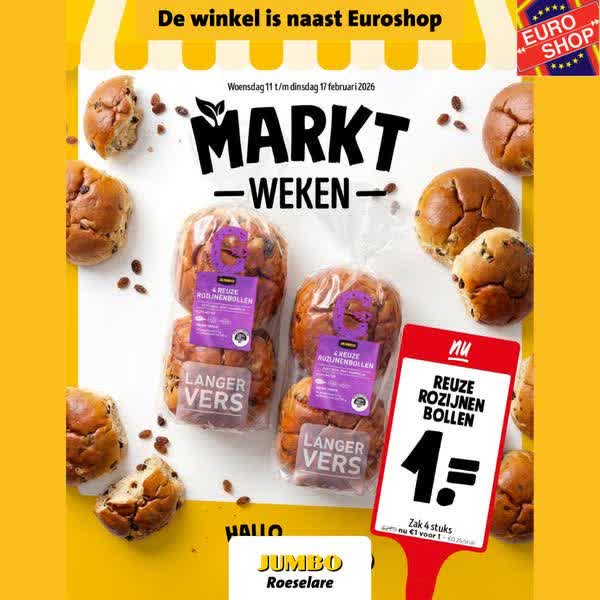
𝗗𝗘 𝗝𝗨𝗠𝗕𝗢 𝗪𝗘𝗘𝗞𝗔𝗔𝗡𝗕𝗜𝗘𝗗𝗜𝗡𝗚𝗘𝗡 𝗭𝗜𝗝𝗡 𝗘𝗥 𝗪𝗘𝗘𝗥! 📣 Vanaf deze woensdag vind je in onze winkel weer extra voordelige aanbiedingen uit de nieuwe folder. Mis het niet en profiteer van scherpe prijzen en mooie aanbiedingen! 🤩 Geldig van 𝘄𝗼𝗲𝗻𝘀𝗱𝗮𝗴 𝟭𝟭 𝗳𝗲𝗯𝗿𝘂𝗮𝗿𝗶 𝘁
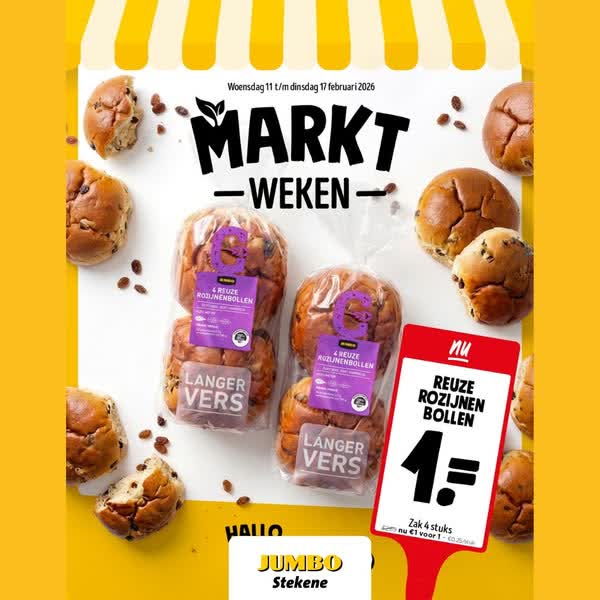
𝗗𝗘 𝗝𝗨𝗠𝗕𝗢 𝗪𝗘𝗘𝗞𝗔𝗔𝗡𝗕𝗜𝗘𝗗𝗜𝗡𝗚𝗘𝗡 𝗭𝗜𝗝𝗡 𝗘𝗥 𝗪𝗘𝗘𝗥! 📣 Vanaf deze woensdag vind je in onze winkel weer extra voordelige aanbiedingen uit de nieuwe folder. Mis het niet en profiteer van scherpe prijzen en mooie aanbiedingen! 🤩 Geldig van 𝘄𝗼𝗲𝗻𝘀𝗱𝗮𝗴 𝟭𝟭 𝗳𝗲𝗯𝗿𝘂𝗮𝗿𝗶 𝘁
Campaign ideas8
- Launch limited-edition zodiac-inspired product collection (apparel, beauty, home goods) with exclusive packaging and scarcity messaging—order early, limited stock
- Create family-focused short film (2–12 minutes) with emotional storytelling about reunion, renewal, or cultural traditions—position it as brand heritage cinema, not just ads
- Host experiential events: dumpling-making workshop, virtual lion dance performance, or multi-generational family dinner (online or IRL) that builds community belonging
- Launch digital red envelope campaign on WeChat, Douyin, or Instagram—include discount codes, lucky draws, or personalized messages to tap cultural gifting traditions
- Build influencer & creator partnerships with East/Southeast Asian creators, artists, and celebrities—feature them in takeovers, product collaborations, and authentic storytelling
- Run gamified social or in-app experiences: zodiac quizzes, lucky number draws, limited-time challenges that unlock discounts or exclusive collectibles
- Create educational content series (blog, video, social): zodiac meanings, traditional recipes, family reunion etiquette—position brand as cultural bridge for diaspora & curious audiences
- Collaborate with cultural advisors or employee resource groups on design, messaging, and symbols—ensure authenticity and respect in zodiac motifs, colors (red/gold), and traditions
Social angles6
- Behind the design: How we partnered with [Asian artist/designer] to create our 2026 collection—swipe to see the story 🧧 #LunarNewYear #AuthenticCollaboration
- This Lunar New Year, gather closer. Our [product] brings families together—share how you're celebrating renewal & reunion #LunarNewYear #FamilyTraditions
- What does the Year of the Horse mean for you? Bold moves, new paths, resilience. Here's how we're celebrating this year 🐎✨ #LunarNewYear #YearOfTheHorse
- You told us how you celebrate—we listened. Swipe to see our community's Lunar New Year moments & how we're honoring them 🎉 #LunarNewYear #UGC
- Lucky number draw live on Stories today 🍀 Follow, tag a friend in comments for a chance to win our limited-edition red envelope bundle #LunarNewYear
- Zodiac predictions for your year—but first, tell us: What tradition matters most to your family during Lunar New Year? 🧧 #LunarNewYear #CulturalPride
Ad copy starters6
“Bring home prosperity. Our Year of the Horse collection honors tradition while celebrating your bold moves. Limited edition, deeply rooted.”
“This Lunar New Year, gather your family—online or IRL. We've designed gifts that carry blessings. Shop now before they're gone.”
“Renewal starts here. Zodiac-inspired, family-first, unapologetically you. Celebrate with intention this season. 🧧”
“Every red envelope tells a story. So does ours. Limited-edition collection inspired by your heritage. In stores now.”
“From our family to yours. A Lunar New Year collection that honors where you come from. Exclusive designs, one season only.”
“The Year of the Horse calls for bold choices. Make yours. Limited-edition collection now live.”
Tips4
- DO: Partner with authentic voices—Asian American creatives, cultural advisors, employee resource groups—to ensure respect & relevance. Avoid generic symbols (red lanterns, dragons) without cultural context or storytelling.
- DON'T: Treat Lunar New Year as a one-off sales spike. Plan 90 days ahead, integrate across your cultural calendar year-round, and build long-term loyalty—not just transactional moments.
- DO: Lead with emotional storytelling around family reunion, renewal, and resilience. This resonates across Gen Z, millennials, and diaspora audiences far more than prosperity-only messaging.
- DON'T: Overcommodify or ignore diversity within Asian communities—Lunar New Year is celebrated across Chinese, Korean, Vietnamese, Southeast Asian cultures with distinct customs. Localize messaging, colors & symbols accordingly.
Lunar New Year, or Spring Festival, has roots stretching back thousands of years. It began during the Shang Dynasty, around 1600 BC.
Early celebrations focused on honoring gods and ancestors. People believed these rituals would bring a good harvest and ward off evil spirits.
A popular legend says a monster named Nian would terrorize villages every year. The frightened villagers discovered that loud noises, fire, and the color red scared the creature away. This story became part of the tradition, leading to the use of fireworks and red decorations.
Emperors later formalized the holiday, linking it to the lunar calendar and making it an important event in Chinese society. Over time, these practices evolved, blending cultural and spiritual elements. Today, it’s a celebration of family, prosperity, and new beginnings.
Spice Up the House
Transform any home into a festive wonderland by decorating with red lanterns, paper cutouts, and banners. Add touches of gold for an extra dash of luck. These vibrant decorations not only brighten up spaces but also invite positive energy for the year ahead. Don’t forget to hang a couplet or two on the door for extra good fortune.
Feast Like Royalty
Whip up a delicious feast featuring traditional dishes like dumplings, fish, and sticky rice cakes. Each dish carries a special meaning, like prosperity or togetherness. Encourage everyone to help in the kitchen—cooking together is part of the fun! Round off the meal with sweet treats like tangerines and candy.
Light Up the Night
Fireworks and sparklers are a must! Light them up to chase away evil spirits and welcome in the new year with a bang. If fireworks aren’t an option, waving sparklers or watching a fireworks display from afar can be just as magical. The more sparkle, the better!
Share the Wealth
Hand out red envelopes filled with money to younger family members or friends. It’s a fun way to share good fortune and spread smiles. If feeling extra generous, include a wish for happiness or success. Don’t be surprised if those envelopes bring extra joy to the giver as well.
Dress to Impress
Slip into something new and red. This color represents luck and protection. Wearing new clothes also symbolizes a fresh start, making it a perfect excuse to do a little shopping. Whether it’s a stylish outfit or a comfy pair of socks, make sure the first outfit of the year feels special.