Chinese New Year
A joyous annual celebration of new beginnings, family gatherings, and traditional foods, steeped in symbolism and rich history.
Capitalize on the global celebration of renewal, family gifting, and prosperity symbolism to drive seasonal sales across home décor, luxury goods, dining, and travel experiences.
- Red envelope gifting guides: luxury items, tech, and experiences for hongbao-worthy presents
- Home refresh campaigns: red décor, lanterns, and spring cleaning products to 'sweep away old luck'
- Family feast planning: premium ingredients, restaurant reservations, and catering for multi-generational gatherings
- Travel promotions: lunar new year getaways and cultural tourism packages to Asia
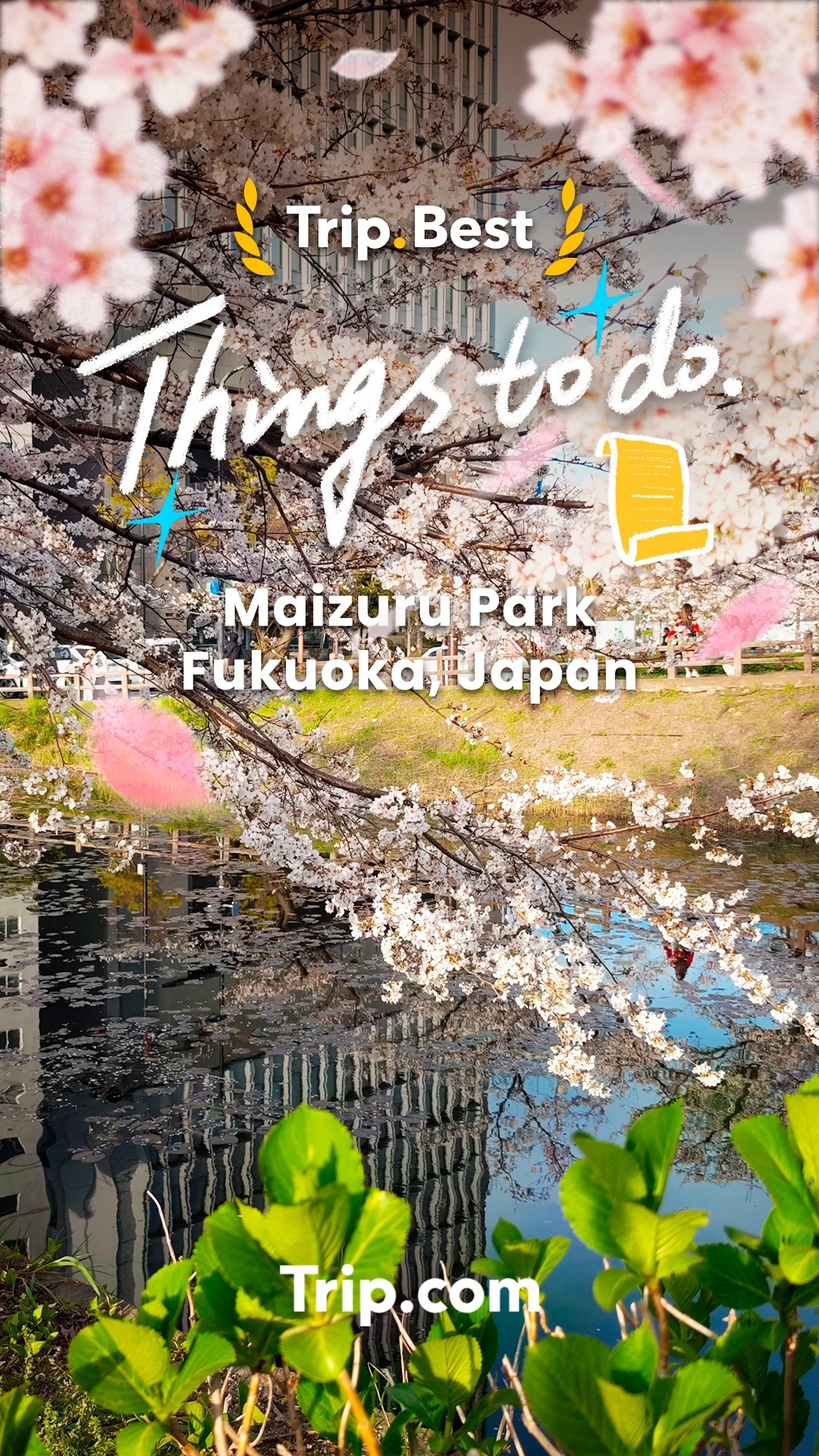
Fukuoka’s Maizuru Park dazzles with one of Japan’s earliest and liveliest cherry blossom displays 🌸🎉. Wander through tunnels of pink, enjoy festival treats, and capture the perfect shot at Fukuoka Castle ruins. By night, illuminated trees create a fairytale scene. Spring doesn’t get more enchantin
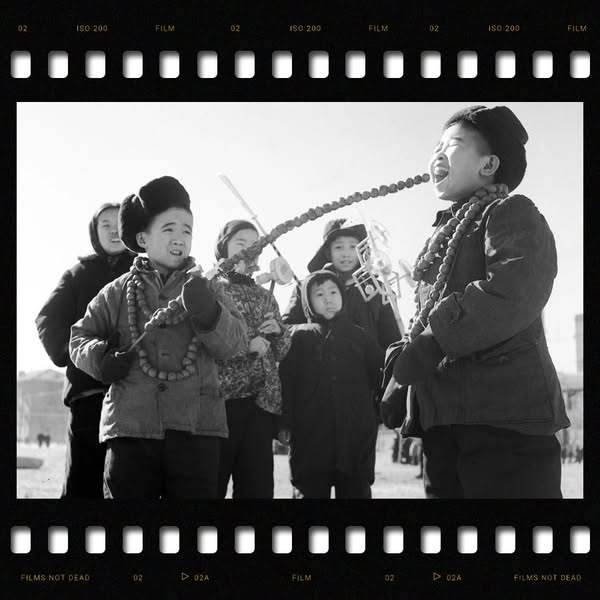
Chinese Spring Festival is now celebrated around the whole world. However, do you know how Chinese kids celebrated this important festival back in the 1960s? Do you wonder what they are eating in this photo? You can find all the answers in our account. From historic events to the fascinating lives o
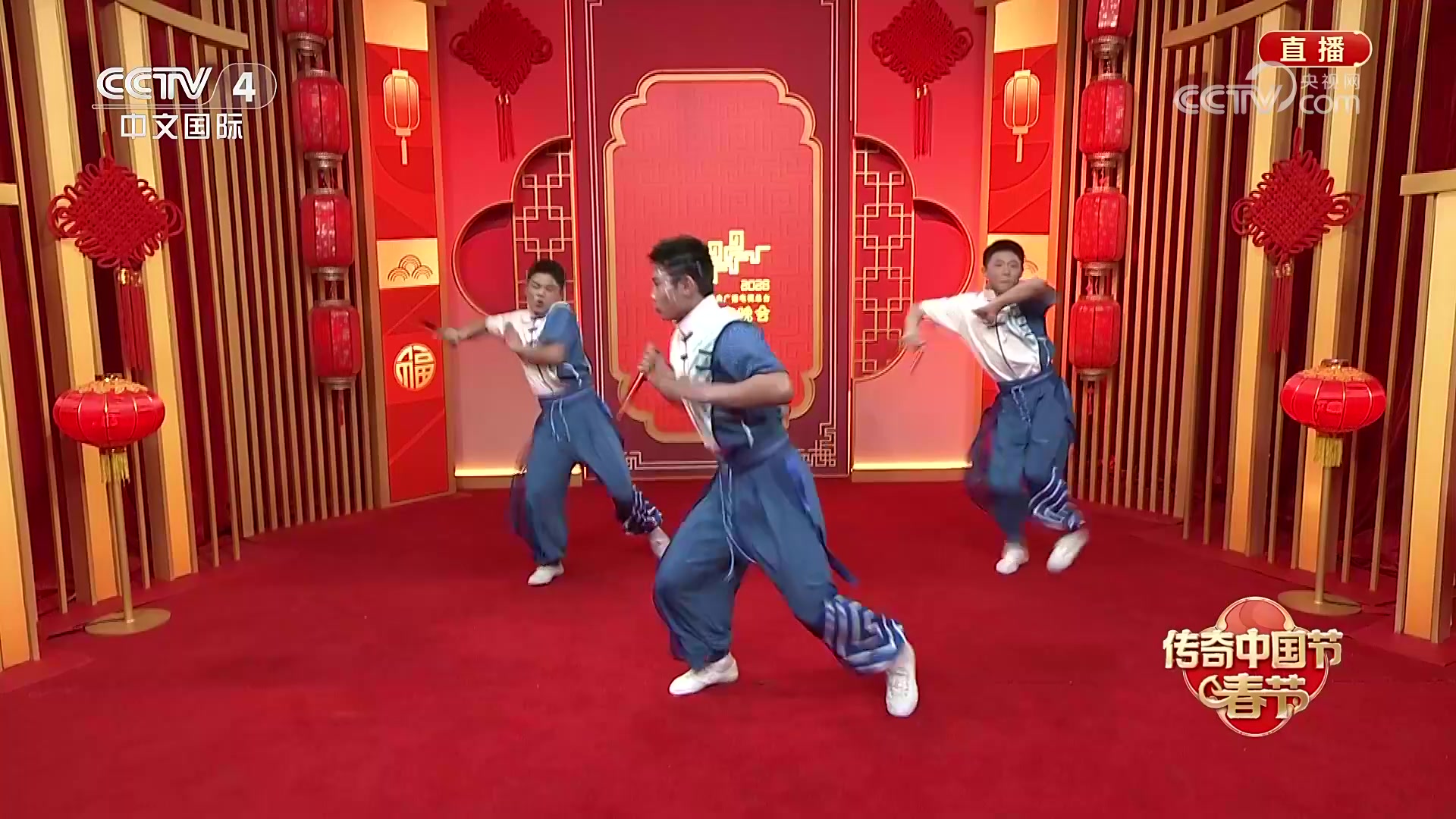
Live: 2026 Spring Festival Gala CCTV is bringing you the 2026 Spring Festival Gala. Stay tuned for the spectacular programs! #2026ChineseNewYear #SpringFestivalGala
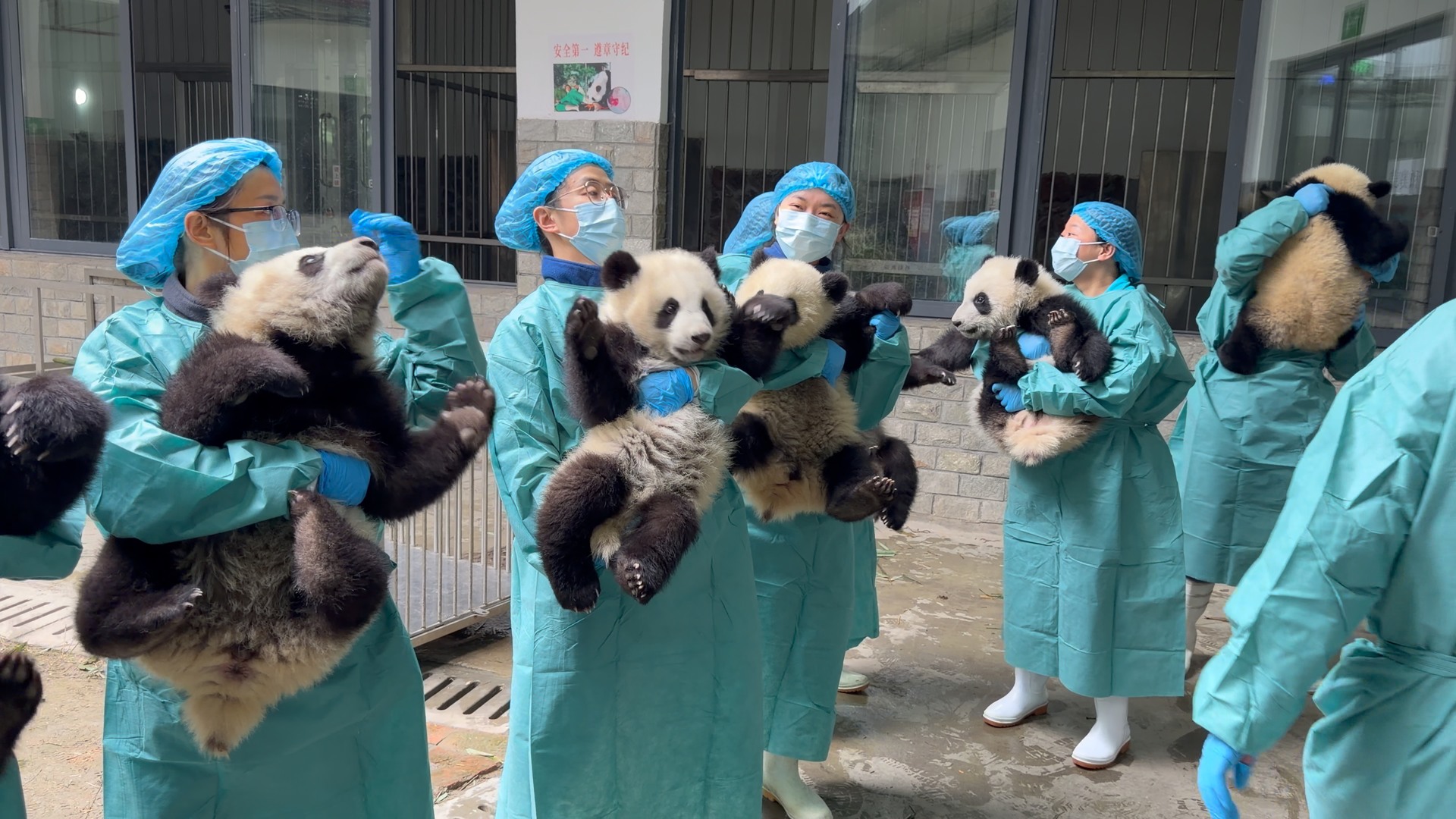
The nannies got their annual bonus! These furry and soft panda cubs are definitely the most luxurious gift of this Spring Festival, making it really hard for you not to be jealous. #PandaFun #FBLive #ChengduPandaBase #BestJobInTheWorld #HappyChineseNewYear #HappyTheYearOfTheHorse For more panda info
【Wuhan: Home to Wildlife】 Ever wondered what makes a city a "Wetland City"? Let its wild residents tell the story: ·Finless Porpoise gracefully navigates the Yangtze River Bridge, witnessing the river's bustling marathons and cross-river swimming event. ·Dogs turn East Lake into their playground, tr
Campaign ideas5
- Partner with local influencers on WeChat, Douyin, and Xiaohongshu to seed zodiac storytelling and lifestyle content that drives discovery, not just awareness—tailor different narratives per platform (aspirational on Xiaohongshu, participatory on Douyin, transactional on Tmall).
- Launch limited-edition zodiac-themed product bundles (drinkware, accessories, apparel) designed for gifting at scale; include constellation or animal symbolism subtle enough to remain usable post-holiday.
- Create interactive red envelope mechanics (digital or in-store)—gamified unboxing with tiers of rewards (discounts, exclusive access, community badges) that blend cultural tradition with modern engagement loops.
- Develop emotional storytelling short films (60-120 seconds) anchored in family reunion moments—avoid over-the-top symbolism; lean into humor, nostalgia, and everyday situations that resonate across diaspora and domestic audiences.
- Build cross-platform media funnel: discovery phase via Xiaohongshu (cultural context + curation), engagement via Douyin (user-generated content + participatory games), conversion via Tmall (livestream + social commerce); integrate countdown mechanics.
Social angles5
- 'This Year of the [Animal], we're celebrating what it means to [emotional truth]'—connect zodiac traits to brand values, not just visual symbolism. #YearOf[Animal] #Reunion #Prosperity
- 'The luckiest gift isn't money—it's time together.' Share authentic moments of family/friends enjoying your product during preparations or celebrations. #LunarNewYear #HongBao
- Behind-the-scenes: 'How we created your [product] for CNY—from designers' zodiac inspiration to the final unboxing moment.' Demystify the craftsmanship angle. #CraftedForCNY
- Invite followers: 'What's your CNY tradition? We're giving away [zodiac-themed gift] for the best stories.' Hashtag: #MyLunarNewYear + specific regional variants.
- Cause-aligned: 'For every [product] purchased, we donate to [local community/cultural org]. Celebrate prosperity together.' Pair with specific dollar amounts/impact metrics.
Ad copy starters5
“'Welcome back to the table. Welcome home. [Brand] celebrates your reunion.' — emotional, family-focused, subtle product presence.”
“'Year of the [Animal]. Year of bold moves. Shop our limited zodiac collection before it's gone.' — urgency + zodiac positioning.”
“'This isn't just packaging. This is luck you can hold.' — elevate festive design as meaningful gift ritual.”
“'Prosperity isn't one big moment. It's these.' — anchor to everyday moments, not extravagant celebration.”
“'For your 15-day celebration, we've got your prep covered.' — utility-first, showing how product fits into actual CNY routines.”
Tips4
- Start campaigns 6-8 weeks early (pre-festival awareness phase), not just 2 weeks before—earlier messaging secures top-of-mind share. Many brands miss the 'preparation phase' when families actively plan purchases.
- Avoid generic red-and-gold decoration alone; instead anchor zodiac symbolism to a concrete emotional truth (e.g., Fire Horse = vitality + hustle, not just 'energy'). Platforms increasingly penalize formulaic, over-the-top festive creatives.
- Localize by region—China's CNY differs from Vietnam's Tết or Singapore's celebration rhythms, timing, and gifting practices. A single global campaign rarely works; instead build regional narrative templates.
- Build cross-platform systems (discovery → engagement → conversion) rather than isolated single-channel pushes. Xiaohongshu drives desire, Douyin drives participation, Tmall/livestream drives transaction—each must feed the next.
Chinese New Year has deep roots in Chinese history as a seasonal turning point and a communal reset. Long before modern calendars and public fireworks shows, the beginning of the year on the traditional lunisolar calendar carried practical meaning.
It marked a transition in the agricultural cycle, a shift toward spring, and a moment when communities could pause, gather, and prepare for what came next.
Over centuries, the celebration developed into a richly layered set of social practices that connect households to family history, community life, and cultural identity. Traditional observances have commonly included honoring ancestors, making offerings, and sharing blessings with elders, relatives, friends, and neighbors.
These practices emphasize continuity: the idea that the new year is not only a personal fresh start but also part of a longer family story.
As the Spring Festival expanded and evolved, it became known for its distinctive mix of home-centered rituals and public festivity. Preparations often begin well before the new year itself.
Families clean, shop, cook, and decorate, transforming ordinary spaces into places that look and feel auspicious. Red decorations, in particular, became a defining visual theme, used to express joy and to symbolically ward off misfortune.
One especially enduring tradition is the posting of Spring Festival couplets (*chunlian*). These red strips of paper, typically brushed with black calligraphy, are more than seasonal décor. They reflect a literary culture where everyday people can participate in poetry and symbolism right on their front doors.
The couplets often express wishes for peace, good health, thriving work, or family harmony. In this way, the new year becomes a shared act of storytelling: each household announces what it values and what it hopes to cultivate.
Chinese New Year is also closely associated with the Chinese zodiac, a repeating twelve-year cycle represented by animal signs. While individuals may enjoy reading zodiac traits for fun, the zodiac also works as a cultural shorthand.
It links years to shared themes and gives people a playful, memorable way to mark time and identity. Whether taken seriously or treated as festive trivia, the zodiac helps make the new year feel distinct rather than just a calendar page turning.
The celebration traditionally spans about fifteen days, culminating in the Lantern Festival. That longer arc is one reason the Chinese New Year feels so immersive.
It’s not a single party and then back to regular life. It’s a whole season of rituals and gatherings that let families celebrate in layers: first the home, then the wider community, then a final flourish of light and color at the end.
In the modern era, the Chinese New Year has continued to adapt while keeping its core values intact. Many families still prioritize reunion meals, cleaning and decorating, and giving red envelopes, even if the details shift with city life, work schedules, or local rules around fireworks. I
n some places, firecrackers and fireworks have been limited for safety, noise, or air-quality reasons, which has encouraged creative alternatives like organized public displays, decorative “firecracker” crafts, or simply leaning more into food and family traditions.
What remains consistent is the role the Chinese New Year plays as a cultural anchor. It is both personal and communal, both playful and meaningful. It encourages reflection on the year that has passed, generosity toward others, and a clear-eyed optimism about what can be built next.
And for communities across the world, it continues to serve as a vivid expression of heritage, connection, and the universal delight of starting fresh.
Decorate Homes and Public Spaces
Red is the star of the season because it’s widely associated with good luck, joy, and prosperity. Decorating often starts with giving the home a deep clean beforehand, symbolically sweeping away stale luck and making room for a brighter year ahead.Then the fun part arrives: red lanterns, festive paper cutouts, and door decorations. Many households also display Spring Festival couplets (often called *chunlian*), which are poetic lines written in calligraphy and placed on either side of doorways. The couplets typically express wishes for health, peace, good fortune, or family harmony. Even a simple DIY version, carefully lettered on red paper, captures the spirit: the doorway becomes a kind of “welcome sign” for the year to come.For a more modern approach, decorations can be updated without losing meaning. A small vase of blossoms, a red table runner, or a neatly arranged display of oranges or tangerines can echo traditional symbols while fitting into any space. The goal is less about perfection and more about intention: making the environment feel bright, cared for, and ready for a reset.
Exchange red envelopes
Red envelopes, called *hongbao*, are traditionally filled with money and given as a gesture of good fortune and blessing. In many families, they’re offered to children and younger relatives, and they can also be given to unmarried adults, depending on local custom. The envelope matters as much as the amount because it represents a wish for prosperity, safety, and a smooth year ahead. Those who want to participate thoughtfully can treat *hongbao* as a symbol rather than a financial statement. A modest amount is common, and crisp bills are often preferred because they feel “new,” matching the season’s theme of fresh starts. Some families add a personal touch by including a short note of encouragement or a blessing, which turns the envelope into a keepsake rather than just a transaction. In many communities, digital red envelopes have also gained popularity, particularly among friends and coworkers. Even when delivered electronically, the spirit remains the same: sharing luck, strengthening relationships, and starting the year with generosity.
Eat traditional foods
Food is one of the most joyful parts of the Chinese New Year because it is both delicious and deeply symbolic. A New Year’s table becomes a playful language of edible good wishes, where the shape, sound, or name of a dish hints at what a family hopes to welcome in the year ahead. Common favorites include: Fish is often served whole because it represents abundance. Many families intentionally leave a little uneaten to symbolize having something extra to carry forward.Dumplings (jiaozi), especially common in northern traditions, are linked with wealth and prosperity because their shape resembles old-style gold ingots.Nian gao (New Year cake) is associated with rising higher year after year. It reflects wishes for growth in school, work, skills, or personal goals.Long noodles, connected with longevity, are usually eaten without cutting them, so the symbolism stays intact.Citrus fruits like oranges or tangerines are chosen for their bright color and cheerful associations with luck and success. For a simple celebration meal, a small spread works beautifully: dumplings, a fish or fish substitute, a vegetable dish, and fruit on the table. For those cooking with friends, making dumplings together can become the main event. It is hands-on, chatty, and gently competitive in the best way—especially when everyone has a different opinion about the “correct” amount of filling.
Participate in parades and other cultural events
Public celebrations often feature dragon and lion dances, drumming, music, and martial arts demonstrations. Lion dances are especially iconic, performed by teams that bring the costume to life with coordinated footwork and athletic timing. The performances are commonly seen as a way to invite luck and energy into the community. Lantern displays are another favorite, particularly as the season moves toward the Lantern Festival, traditionally held on the fifteenth day of the first lunar month. In many places, lanterns aren’t just decorations. They become art, storytelling, and neighborhood pride all at once, ranging from simple glowing orbs to elaborate designs. If attending a public event, it helps to arrive with curiosity and good manners. Watching performances, sampling foods from local vendors, and learning a few greetings are easy ways to participate without feeling like an outsider. For families with children, it can be a perfect introduction to cultural tradition through movement, color, and sound.
Spend time with family and friends
At its heart, the Chinese New Year is a season of reunion. Many celebrations revolve around the idea of coming home, sharing a meal, and honoring relationships across generations. The reunion dinner, usually held on New Year’s Eve, is often treated as the most important meal of the year—not because of luxury, but because of meaning. Celebrating together can take many forms: Cooking a family recipe and sharing the story behind itCalling relatives or elders to exchange warm wishesHosting a casual gathering with symbolic snacks and teaSetting aside time for games, conversation, and a slower pace In many traditions, the first days of the new year are also devoted to visiting or reconnecting with relatives, friends, and neighbors. The tone is warm and hopeful. Good wishes are shared, food is passed around, and the simple message is reinforced: relationships matter.