International Women’s Day
Commemorating achievements in the ongoing struggle for gender equality, acknowledging progress while recognizing the road ahead.
Celebrate women's everyday achievements and empower female audiences through purpose-driven campaigns that honor progress while driving sales in beauty, fashion, and lifestyle categories.
- Spotlight real women's stories: feature customer testimonials of women balancing work, family, and personal goals
- Launch limited-edition women-focused product lines with proceeds supporting women's rights organizations
- Partner with female influencers and leaders to share their journeys and inspire community engagement
- Create educational content on women's rights history and modern workplace equality initiatives
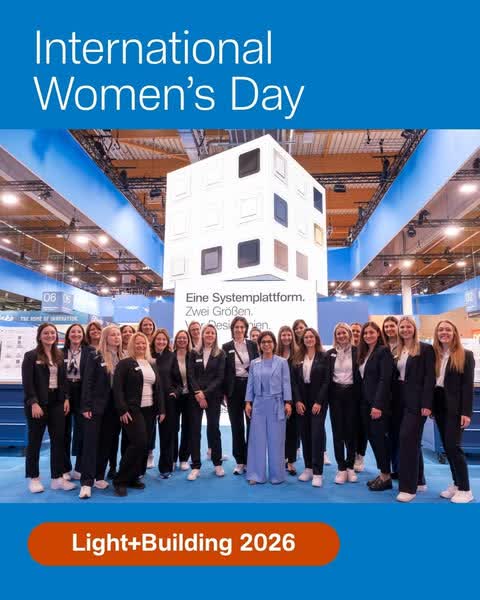
It’s International Women’s Day! For this special occasion, we’re celebrating the women paving the way for an electrified, digitalised and more sustainable future for our industry. Female customers, partners and professionals from around the globe have all shared their perspectives what the electrica
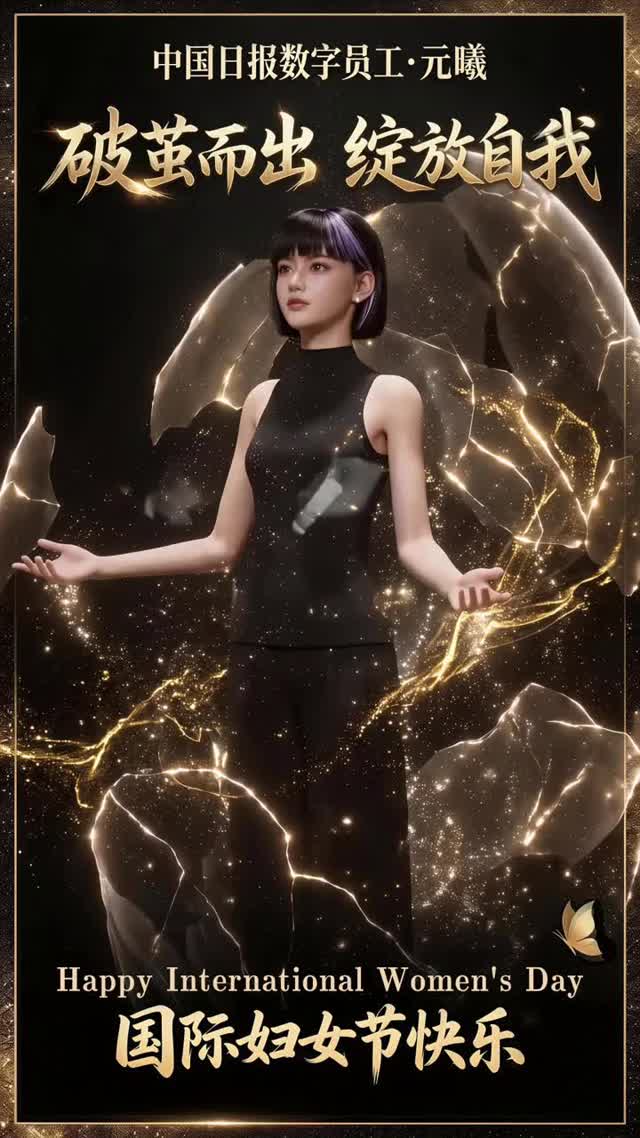
Women illuminate every corner of society with extraordinary self-reliance, perseverance, and wisdom. This International Women's Day, let's pay tribute to the extraordinary women who shape our world. May she break free from her cocoon and blossom into herself. #InternationalWomensDay #ShePower #Yuanx
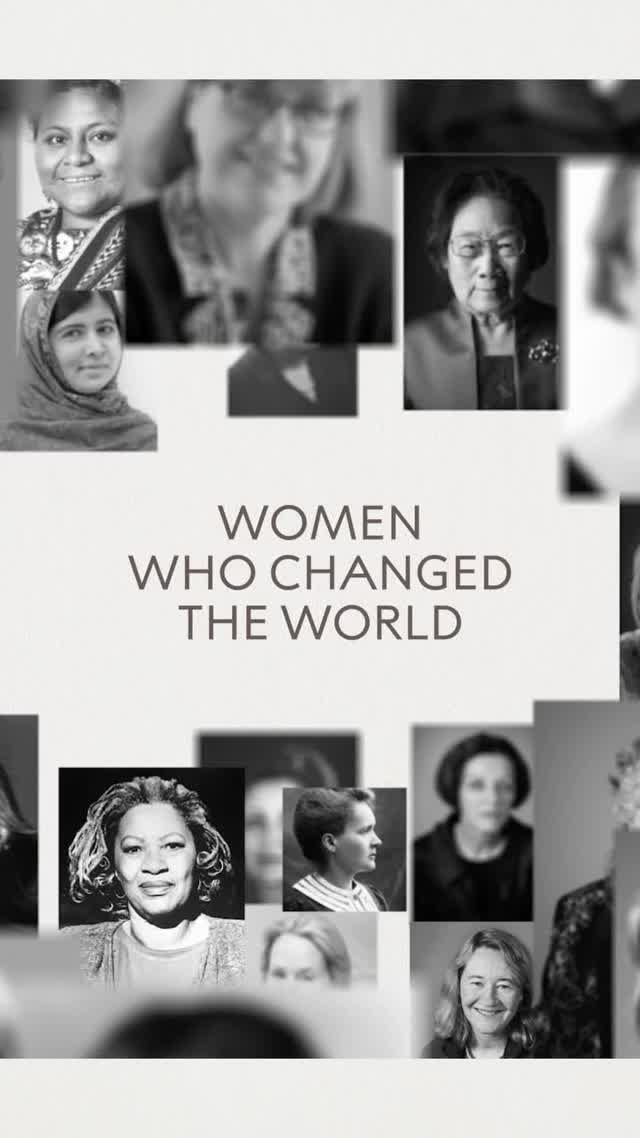
Happy International Women’s Day! We’re celebrating women who have changed the world. Here are all of the amazing women who have received the #NobelPrize and their remarkable achievements at the time of the award. Tell us about the women who inspire you the most - and why? #IWD2024 #InternationalWome
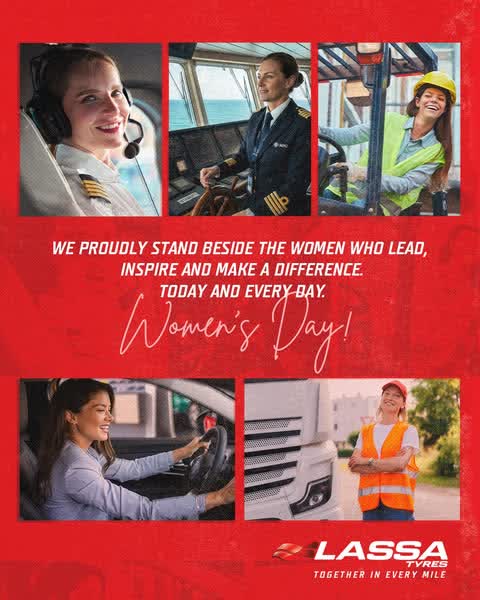
Happy International Women's Day to all the women who inspire and lead every day. 🤍 #InternationalWomensDay
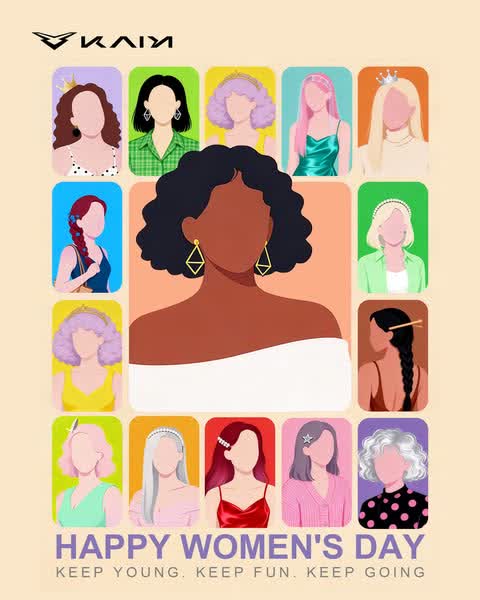
To every woman who leads with kindness, shines with courage, and moves forward in her own way. Happy International Women’s Day. Keep young. Keep fun. Keep going. 💜 #InternationalWomensDay #Kaiyi #KaiyiAuto #KaiyiBeWithYou #KeepYoungKeepFun
Campaign ideas8
- Spotlight female employees & internal heroes: Share their stories, career journeys, and advice through video interviews and social series (e.g., Heineken's #BreaktheBias platform approach)
- Create limit-edition empowerment products: Launch exclusive collections, gift sets, or apparel with bold messaging—extend campaign across full March for longer impact
- Host live workshops or webinars: Free content on financial literacy, career growth, wellness, or STEM skills targeting your audience's needs; partner with women-led orgs to amplify reach
- Champion women in traditionally male-dominated fields: Partner with athletes, chefs, trades workers, or STEM professionals to shift perceptions and inspire; back messaging with real investments/scholarships
- User-generated storytelling & nomination contests: Ask audience to nominate inspiring women in their lives or share personal empowerment stories with branded hashtag; celebrate winners across channels
- Support women-owned businesses: Cross-promote women founders in March, donate portion of sales to women's causes, offer Women's Day discounts on female-founded brands
- Make it year-round, not one-day: Launch a sustained initiative (e.g., Spotify's EQUAL project) that gives women ongoing platform, visibility, and community beyond March 8th
- Address real social issues with action: Tackle pay gaps, period stigma, safety concerns, workplace bias—but pair messaging with concrete programs, funding, or policy changes to avoid performative marketing
Social angles6
- Employee spotlight series: "Meet [Name], our [role] breaking barriers." Feature diverse women across ages, backgrounds, roles—humanize the brand. #InternationalWomensDay #OurSheros
- Challenge convention: "Women belong everywhere." Share statistics on gender gaps in your industry, then highlight the women excelling there. Invite audience to nominate others. #BreakTheBias
- Celebrate intersectionality: Highlight women from underrepresented communities—women of color, LGBTQ+ women, women with disabilities. #EmpowerHer #InclusiveLeadership #SheLeads
- Call-to-action for allies: "How are YOU supporting women?" Encourage all genders to share how they're advancing equality at work, home, community. #AllyshipMatters #IWD2026
- Behind-the-scenes & real stories: Short reels of women in your org doing what they love—no scripts, authentic moments. "The future is female." #WomenWhoLead #OurPride
- Flash promotions & gifting angles: "Celebrate the women in YOUR circle." Gift guides, BOGO (Buy One, Gift One to women's causes), special discounts. #CelebrateHer #SupportWomen
Ad copy starters5
“"As you rise, lift others with you." — B&Q 2025 (backed by £1M apprenticeship funding)”
“"If matching the mould isn't enough, the problem isn't how women show up. It's who decides they're yes-worthy." — TruthWorks (satirizing VC gender bias)”
“"Women belong in the kitchen—and everywhere else." — Burger King (reframing stereotype)”
“"Celebrate the women who never stop breaking barriers." — GoPro Week of Women”
“"Strong. Bold. Unstoppable. Just like you." — Generic empowerment angle (customize for your brand)”
Tips4
- DO: Lead with action, not just words. Back messaging with real investment—scholarships, donations, policy changes, hiring commitments. Audiences are skeptical of performative campaigns (see McDonald's mixed reaction).
- DON'T: Make it one-day only. Extend the campaign across Women's History Month (all of March) or build year-round initiatives that outlast March 8th. Long-term commitment builds credibility.
- DO: Center authenticity & representation. Feature real employees, real women from your community, diverse ages/races/abilities—not celebrities only. B&Q's trade apprenticeships and Samsung's employee testimonials resonated because they felt genuine.
- DON'T: Shy away from bold or uncomfortable truths (pay gaps, period stigma, safety, sports barriers). Brands like Persil (period leaks in sports), Reebok (#BruisesCanBeGood on self-defense), and Burger King (women in kitchens) earned attention by tackling real issues head-on, paired with real solutions.
It may come as a rather sad surprise that International Women’s Day was first celebrated on February 28th, 1909 in New York.
Two years later, German socialist Luise Zietz proposed that the holiday become an annually observed one that would celebrate various women’s issues, such as suffrage, so as to promote equal rights for women.
The first few International Women’s Days were celebrated in a quite different fashion than they are nowadays, with hundreds of demonstrations taking place in Europe. During these demonstrations, women demanded they finally be given both the right to vote and to hold public office.
Employment sex discrimination was also an important issue. In 1917, the International Women’s Day demonstrations in Saint Petersburg, Russia, helped initiate the February Revolution, when women marched through the city demanding an end to World War I.
This shocked even Leon Trotsky, who, much like other Russian leaders of the day, did not expect the Women’s Day protests to cause that much of a stir. Until 1977, Women’s Day was celebrated mainly in socialist countries.
It was only after the United Nations General Assembly’s decision to proclaim March 8th International Women’s Day that the holiday gained worldwide popularity.
Honor Women’s Achievements
Of course, not all achievements are huge, worldwide game-changers like women finally obtaining the right to vote—there are all sorts of other, smaller feats that women you know manage on an everyday basis that you may not pay too much attention to until you try calming 2 crying toddlers, making dinner and explaining the particulars of a newly-acquired client to your boss over the phone at the same time. This may sound ridiculously hard to pull off, but this is something thousands of women pull off every day, something that should be deeply appreciated and something that nobody should take for granted. Grand gestures aren’t necessarily required to show appreciation, either—sometimes a simple “thank you, I have no idea how you do it” is enough to lift an overworked woman’s spirits!
Focus On Women’s Rights
If you’d like to do something more, though, there is a virtually endless amount of things you can do to help improve women’s lives the world. Attend one of the 1000+ events organized globally where you can learn about what women’s lives are like in different countries and make a donation to the event you attend. Reading books is also a great way of broadening your horizons, and biographies of women like fearless Somalian women’s rights activist Ayaan Hirsi Ali will definitely open your eyes and inspire you to see women’s lives and problems completely differently. It’s no secret that women’s rights have evolved greatly. However, things could still be a lot better! People such as Malala Yousafzai, a young activist for female education in Pakistan. Her story, I am Malala, describes her fight for education as a woman in Pakistan, and the dramatic consequences of her activism. Targeted by a Taliban’s assassination, Malala was shot in 2012. She was transported to different hospitals before being rushed to the UK, where she was treated and survived her injuries. Her autobiography is an eye-opening shockwave that will make you aware of the struggles that many women continue to face. Nowadays, Malala is a student at the world famous University of Oxford in the UK! Broadening your horizons on Women’s Day to understand the differences between countries and how women are treated in the world can offer a new appreciation for women. Let Malala’s story inspire you to attend events or support more initiatives to help women. Why not keep your eyes open for books like Malala’s autobiography that share the experience of women in different cultures?
Support a Woman on International Women’s Day
Have you ever stopped to consider what it means to be a woman? Aside from the biological definition, there is a lot that goes into defining, feeling, experiencing and celebrating womanhood on Women’s Day. No, it doesn’t have to be a philosophical debate about what makes a woman who she is! But in a day and age where gender issues and gender roles are being questioned, it’s only fair to broaden your perception of what a woman can be and do. Therefore, Women’s Day is a day to be embraced with an open mind. Question your assumptions about what people can and can’t do based on gender. Why not support a female friend to follow her dreams?
Spend Time with Unique Women
What makes her a woman? Women, such as Anne Lister, have chosen to define their womanhood on their own terms. During the 19th century in England, Anne Lister, also nicknamed Gentleman Jack, took part in activities that were otherwise reserved to men and also ran typically men’s businesses. She also chose to marry another woman, and lived with her, despite not receiving any legal recognition. Gentleman Jack cultivated her free spirit without compromising, which her autobiography, Gentleman Jack, reveals. Another autobiography that enhances the definition of being a woman is Trans, a Memoir, by Juliet Jacques.
Spend A Day In Her Shoes On International Women’s Day
Challenges exist in different shapes. It’s something Nicole Byers, the bubbly “Nailed It” presenter on Netflix knows well. Her podcast, Why Won’t You Date Me, describes with humor her quest for love and the modern expectations that society has for women. The sweet dreams of childhood are nothing like the harsh reality, like the podcast Stuff Mom Never Told You explains. Spend the day listening to the stories of everyday women, who could be your sister, your mother, or your wife.