National Piña Colada Day
Rum, coconut cream, and pineapple juice are all it takes to whisk you away to a tropical location. Have yourself a mini-vacation by sipping on a piña colada.
Capitalize on tropical escapism and nostalgia with limited-time piña colada promotions, merchandise tie-ins, and experiential events that drive bar/restaurant traffic and spirits sales in July.
- 'Escape to the tropics' happy hour specials featuring signature piña coladas at bars and restaurants
- User-generated content campaign: #MyPinaColadaEscape—customers share their tropical getaway moments with branded cocktails
- Rum brand collaborations and limited-edition coconut/pineapple product launches tied to the holiday
- Travel + hospitality partnerships promoting 'piña colada destinations' and resort experiences
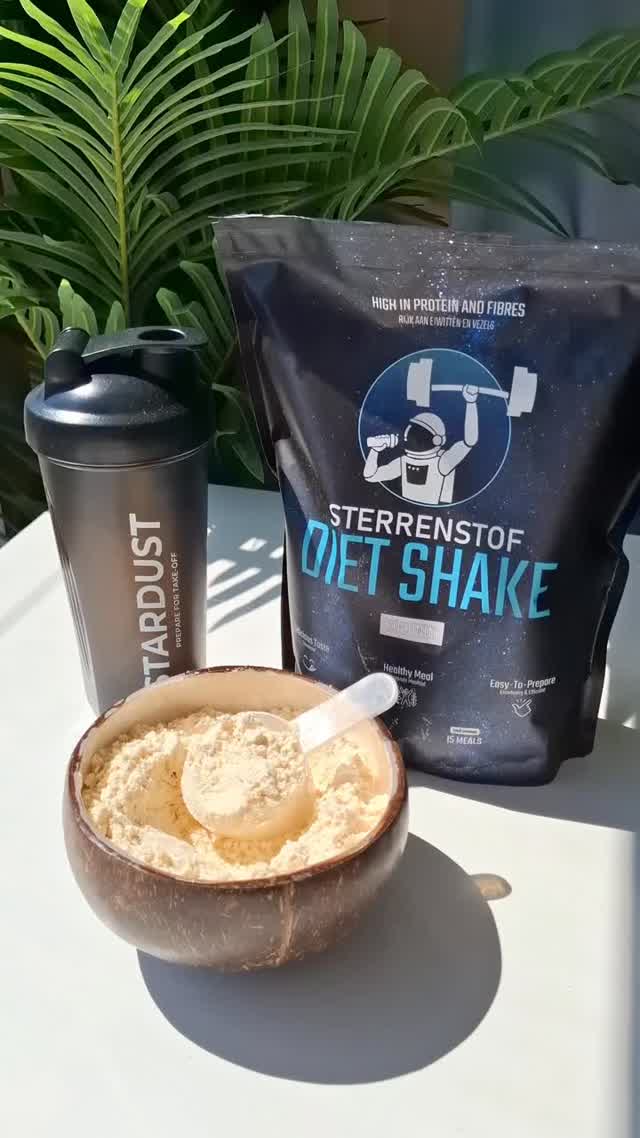
Vervang 1 tot 2 maaltijden per dag. Ja echt, je mag 2 van deze heerlijke Pina Colada's per dag 😍 ✅ 29g eiwit ✅ 7,1g vezels ✅ 247 calorieën ✅ 2,49,- per maaltijd
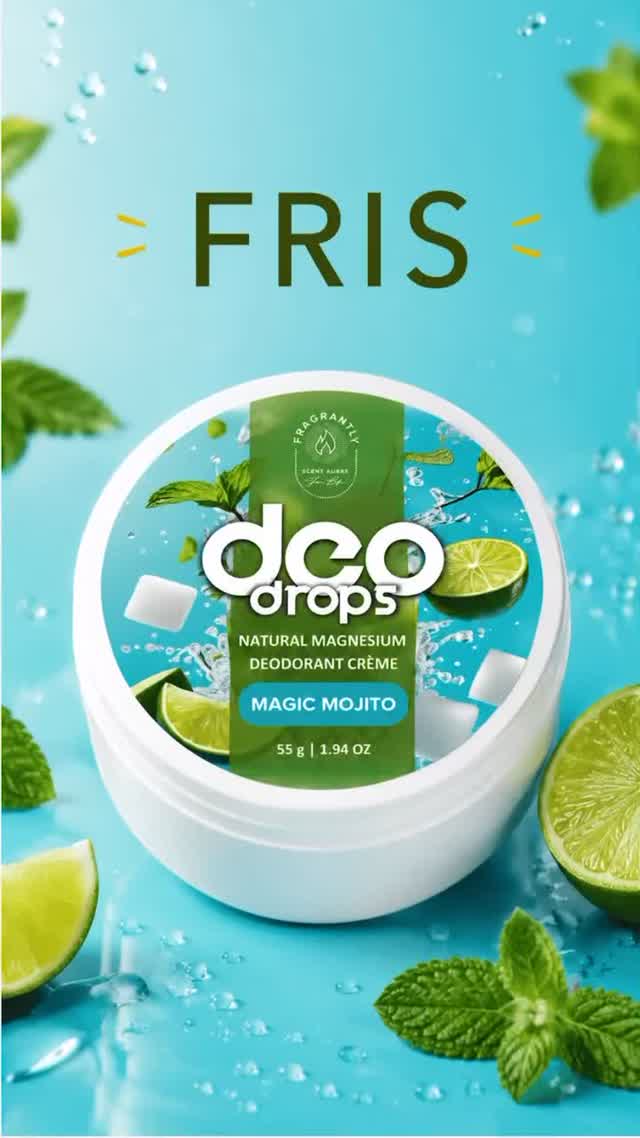
𝐖𝐢𝐬𝐭 𝐣𝐞 𝐝𝐚𝐭 𝐝𝐞 𝐦𝐞𝐞𝐬𝐭𝐞 𝐧𝐚𝐭𝐮𝐮𝐫𝐥𝐢𝐣𝐤𝐞 𝐝𝐞𝐨𝐝𝐨𝐫𝐚𝐧𝐭𝐬 𝐛𝐚𝐤𝐢𝐧𝐠 𝐬𝐨𝐝𝐚 𝐛𝐞𝐯𝐚𝐭𝐭𝐞𝐧? En dat baking soda voor veel mensen irritatie geeft, juist daar waar je het niet wilt? 🍋 Deo Drops is anders. Geen aluminium. Geen baking soda. Wél magnesiumhydroxide - dat neu
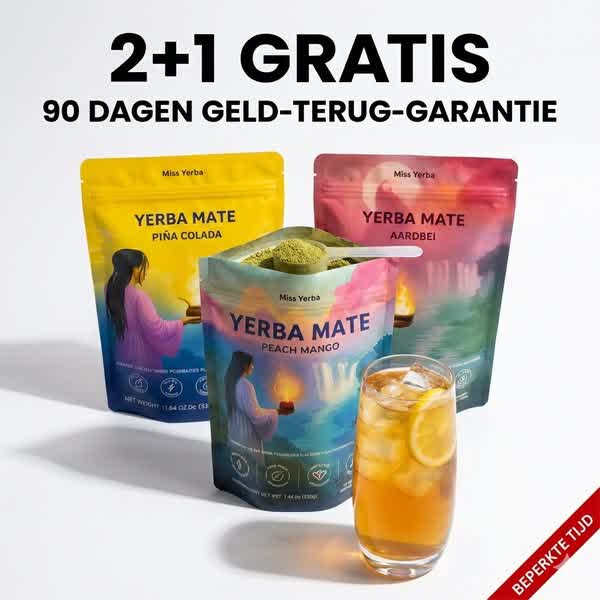
Ik zie zóveel vrouwen die alles al geprobeerd hebben: calorieën tellen, “geen koolhydraten”, detox-thee, fatburners… en elke keer eindigt het hetzelfde: honger, cravings en food noise winnen. En daarom snap ik dat Ozempic zo’n hype is: mensen willen vooral één ding… minder constante trek. Maar als j
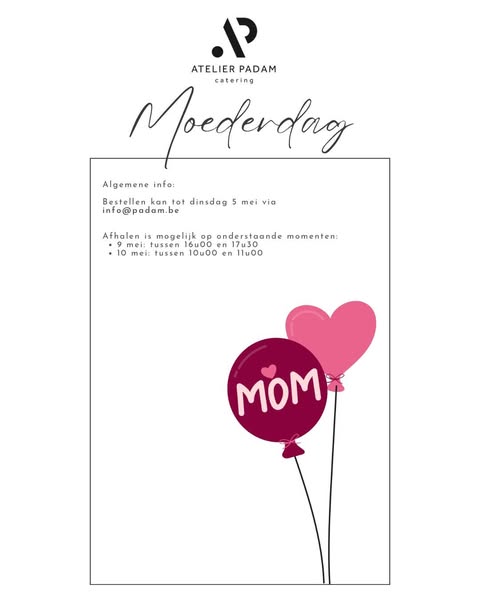
Mama’s koken 364 dagen per jaar … Op Moederdag doen wij het voor haar !! Bestellen kan vanaf nu Www.padam.be #catering #moederdag #verrasmama #traiteur
Yes, I like piña coladas and getting caught in the rainI’m not much into health food, I am into champagne
As befits a drink born of tropic fruits from tropical shores, stirred with a drink distilled from the rich sugar born drink favored by merchants and pirates alike, the history of the Pina Colada is steeped is mystery, folklore, and conflict.
The first and oldest story of the drink is born in the Caribbean waters around Peurto Rico, upon the ship of one Roberto Cofresi, Captain of a crew of the foulest batch of pirates to sail the seas in the early 19th century.
While this is the earliest known origin of the drink, used to boost the morale of the crew, the recipe was lost for a time after his death in 1825.
It wasn’t until 1954 that the drink was to find itself rediscovered by one Ricardo Garcia, a mixologist born in Barcelona and working at a Hilton.
This story tells that it was discovered as a series of fortunately unfortunate events, starting with a strike of the coconut cutters union that led to a shortage of the favored cup of the resorts favored drink, the Coco-Loco.
Without a freshly macheted coconut shell to serve it in, Ricardo adapted to the circumstances in front of him by presenting the drink in a hollowed out pineapple instead. Thus, according to this bit of lore, the Pina Colada was reborn.