Fashion Revolution Day
Fashion Revolution Day sparks a bold question: Who made your clothes? This global movement invites everyone to look deeper into their wardrobes.
Leverage Fashion Revolution Day to position ethical and sustainable brands as champions of fair labor, driving consumer awareness and loyalty through transparency campaigns.
- #WhoMadeMyClothes challenge: encourage customers to flip their clothes inside-out and share the story of their garment's origin
- Partner with ethical fashion brands to highlight supply chain transparency and fair-wage certifications
- Host virtual clothing swap events to promote circular fashion and reduce waste while building community
- Behind-the-scenes content showcasing garment workers and production facilities to humanize the fashion industry

There is a lot that young people can do in our common quest for sustainability. Find out more about efforts to tackle one of the biggest challenges of our times in a new episode of #GlobalSouthNextGen: Voices and Visions.
2026 BEIJING AUTO SHOW

Watch French President Emmanuel Macron debate the priorities of France’s six-month presidency of the Council of the EU with Parliament members
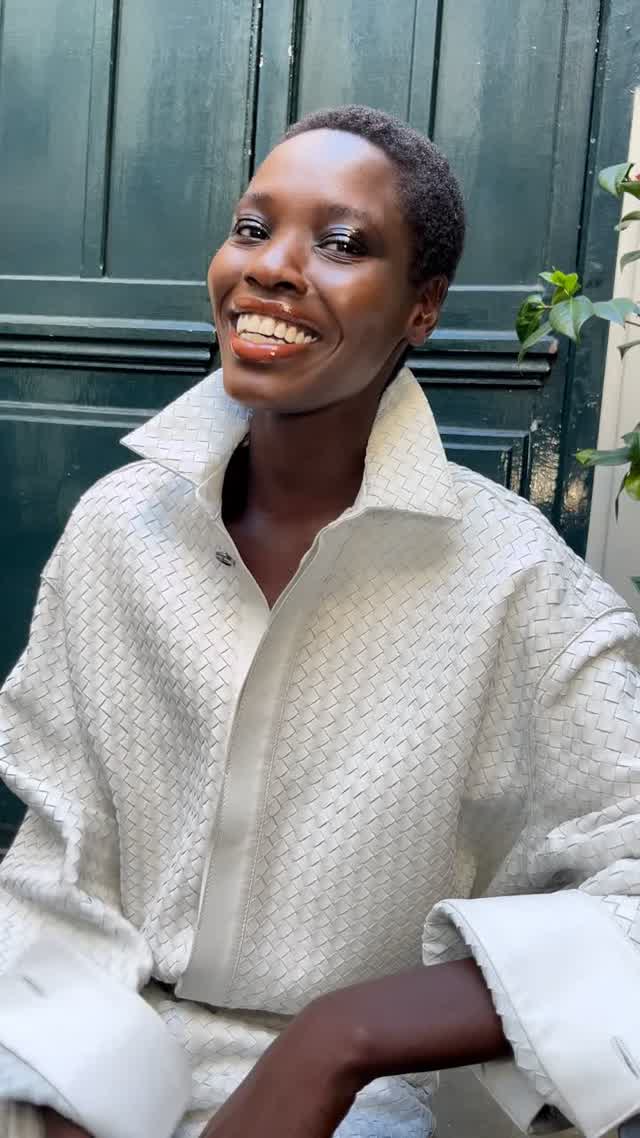
We caught up with @awarodhiang in between takes at her cover shoot for the Action Issue of @dazed 🎬 Tap the link in bio to see more of the cover story 🔗 Photography @carlijnjacobs Styling @imruh Hair laurentphillipon Make-up @lucyjbridge Nails @beatrice_eni Set design @hellakeck Produc

Today the world is coming together. The partners are many, and the goal is one: to defeat this virus. Follow the Coronavirus Global Response pledging marathon. We aim to raise €7.5 billion in initial funding for diagnostics, treatment and vaccines. Visit the website → https://europa.eu/global-respon
Campaign ideas8
- Host a #WhoMadeMyClothes social media storm: encourage customers to share photos of clothing tags with the brand tagged, asking for supply chain transparency. Turn UGC into a brand accountability campaign.
- Launch an #InsideOut challenge: have customers wear clothes inside out on April 24, post selfies, and nominate brands for transparency. Gamify it with prizes for best posts.
- Partner with resale/circular platforms (Depop, ThredUp): run co-branded transparency campaigns highlighting the lifecycle of clothes and promoting secondhand as the ultimate ethical fashion statement.
- Organize a 'Mend in Public' event: set up outdoor repair stations, teach customers to mend/upcycle, livestream to social, and collect stories about loving clothes longer.
- Create a 'Meet the Makers' video series: introduce real workers/artisans behind your products, share their stories, and release a transparency report matching Fashion Revolution's Transparency Index format.
- Run a #Haulternative campaign: offer incentives for customers to shop secondhand or swap clothes instead of buying new. Promote circular business models as the fashion revolution.
- Develop an interactive supply chain map: let customers trace their garment's journey from raw materials to retail with digital product passports and QR codes.
- Co-sponsor local Fashion Revolution Week events: partner with NGOs, universities, and independent designers on workshops, panel discussions, or exhibitions in 50+ countries during April 24 week.
Social angles6
- "Who made MY clothes?" – Turn the question back: post a photo of your favorite piece & tag the brand asking for transparency. Use #WhoMadeMyClothes #ImadeYourClothes
- Inside-out style shoot: Flip your wardrobe literally & figuratively. Show your tags proudly. "Fashion shouldn't be a mystery. Let's demand answers. #InsideOut #FashionRevolutionDay"
- #Haulternative hits different: "Forget the haul. I'm thrifting instead." Feature secondhand finds, vintage steals, swaps—celebrate slowing fashion down. #HaulterNative #SustainableFashion
- Behind-the-seams stories: Share worker testimonials, factory photos, ethical practices. "Every stitch matters. Every person matters. Meet the people making your fashion. #WhoMadeMyFabric"
- Repair ≠ waste: "Mending is the new shopping." Video tutorials on fixing clothes, upcycling tips, durability hacks. Show garment love > fast fashion. #MendInPublic #LoveClothesMatter
- The transparency truth: Post your brand's real supply chain data or call-out greenwashing. "We're still learning. Here's what we're doing differently. #FashionRevolution #TransparencyMatters"
Ad copy starters6
“"Who Made My Clothes? A question that changed everything. This April 24, join millions demanding transparency. #WhoMadeMyClothes"”
“"Fast fashion has a human cost. Slow down. Ask questions. Demand better. Fashion Revolution Week starts April 24."”
“"Your clothes have a story. Let's finally tell it. Meet the people making your fashion. #FashionRevolution"”
“"1,138 workers. One day. One movement. Eight years later, we're still fighting for transparency, ethics, and change. #FashionRevolutionDay"”
“"Shop less. Love more. Wear it inside out. April 24 is Fashion Revolution Day—because fashion should never cost lives."”
“"This season, make a statement: secondhand, sustainable, ethical. #Haulternative starts here. #FashionRevolution"”
Tips4
- DO show the real cost: Use data, worker stories, and visual proof of supply chain impact. Vague 'sustainability claims' get called out—be specific and auditable against the Fashion Transparency Index.
- DON'T greenwash: Fashion Revolution's core mission is accountability. Claims without transparency metrics or independent verification will backfire with eco-conscious audiences. Own what you don't know yet.
- DO amplify worker voices: Feature actual garment workers, artisans, and makers in your campaigns. User-generated content from workers saying #IMadeYourClothes is more powerful than any brand statement.
- DON'T ignore systemic issues: Campaigns about personal choice ("buy sustainable") miss the point. Fashion Revolution demands industry reform, policy change, and brand responsibility—not just individual virtue signaling.
Fashion Revolution Day began because of a tragedy. In 2013, the Rana Plaza building in Bangladesh collapsed, killing more than 1,100 garment workers and injuring many others. People around the world were shocked by the disaster.
It showed the hidden dangers and poor working conditions behind many cheap clothes. After this tragedy, Carry Somers and Orsola de Castro decided something had to change. They co-founded Fashion Revolution to push for greater fairness, safety, and honesty in the fashion world.
The first Fashion Revolution Day happened in 2014. It invited people everywhere to ask brands a simple but powerful question: “Who made my clothes?” This question helped open many eyes to the stories behind the tags and fabrics.
The movement quickly grew across countries, bringing millions together. Schools, businesses, and communities started joining the conversation. Every year since, the call for more ethical fashion has grown louder.
Fashion Revolution Day reminds us that real people make the clothes we wear. Their lives and work deserve respect and dignity. Today, the movement pushes for safer factories, fair wages, and cleaner production methods.
It also urges consumers to think more carefully about what they buy. Even small actions, like asking questions or mending clothes, can create big change over time.
Wear Your Clothes Inside Out
Flip your shirt to reveal its label. This simple act sparks conversations about garment origins and production practices. It encourages awareness of the people behind our clothing.
Host a Clothing Swap
Gather friends and exchange items you no longer wear. This promotes reuse and reduces waste. It’s a fun way to refresh your wardrobe sustainably.
Mend or Upcycle Your Clothes
Repair a tear or transform an old piece into something new. Upcycling breathes life into garments and reduces the need for new purchases. It’s a creative and eco-friendly practice.
Support Ethical Brands
Research and choose companies that prioritize fair labor and sustainable materials. Your purchasing decisions can drive positive change in the industry.
Share on Social Media
Post a photo of your outfit and tag it with #WhoMadeMyClothes. This raises awareness and encourages others to consider the origins of their clothing. Engage your community in the conversation.