Easter
Easter is here, bringing with it joy, chocolate, and time with loved ones. Celebrate the holiday with egg hunts, delicious meals, and maybe even a visit from the Easter Bunny!
Drive seasonal gifting, family gatherings, and celebration purchases through Easter egg hunts, chocolate, baskets, and festive dining experiences.
- Easter egg hunt prep: gear up with baskets, dyes, and treats
- Chocolate & confectionery gift guides for Easter baskets
- Family-friendly Easter brunch and meal inspiration
- DIY Easter decoration and egg-decorating tutorials
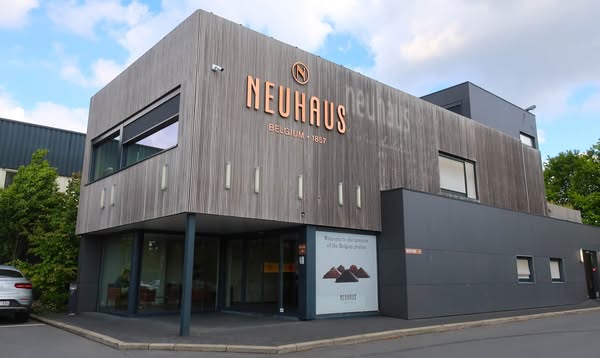
🐣 Discover irresistible Easter gifts at our Outlet Shop. Exceptionally open on Sunday 22 and 29 March.

🔴 How to secure our liberties during the pandemic? Join our conversation with Juan Fernando López Aguilar, the chair of Parliament’s civil liberties committee and post your questions now!
Campaign ideas8
- Virtual Easter Egg Hunt on website/app: Hide discount codes or rewards on key pages; email customers with a 'Start Hunting' CTA and countdown timer to drive urgency and repeat visits
- Seasonal flash sale (3-5 days pre-Easter): 40-60% off sitewide with limited-stock tags; amplify via email, SMS, and social with teaser posts 1 week prior
- Brand-specific Easter product mashup: Create a limited-edition item that ties Easter themes to what your brand is known for (e.g., flat-pack bunny, savory Easter egg, branded dip egg)
- Social contest: Invite followers to share Easter photos (outfits, decor, DIY eggs) with branded hashtag; reward top entries with Easter collection items or discounts
- Interactive quiz or game: Build brand awareness via Easter-themed memory game, trivia, or scratch-reveal mechanic; reward winners with discount codes or loyalty points
- Charity partnership campaign: Partner with a food bank or social-good org; let customers donate unwanted eggs or money in exchange for holiday-themed products
- Multi-channel influencer push: Leverage TikTok, Instagram, and podcasts with micro/macro influencers to drive Easter product teasers, unboxings, and UGC giveaways
- Email + SMS segmentation: Segment audience by past behavior; send personalized Easter offers (families → treats, gift-givers → luxury bundles; loyalty members → early access)
Social angles6
- 🐰 'Hop into [Brand] savings this Easter!' — Festive visual of product with bunny ears; include limited-time promo code. #EasterSavings #SpringDeals #EasterEggs
- 'This Easter, we're cracking something special for you.' — Tease product launch or flash sale; use anticipation-building copy. #EasterSurprise #LimitedEdition
- 🥚 DIY Easter content angle: 'How-to' egg decorating, recipe mashups, or spring home refresh with your products. #EasterDIY #HomeMakeover #SpringRenewal
- 'Tag a friend who needs an Easter treat!' — Interactive post; ask followers to tag 2+ friends for a chance to win; drives reach & engagement. #EasterGiveaway #SpreadTheJoy
- Behind-the-scenes: Show the making of your Easter campaign, product sourcing, or team Easter event. Humanizes brand & feels timely. #BehindTheScenes #EasterMagic
- 'Easter isn't just for chocolate.' — Showcase non-candy Easter offerings (fashion, home goods, gifts). Broadens appeal beyond traditional candy focus. #EasterStyle #SeasonsGreetings
Ad copy starters5
“'Egg-stra special savings await! Hunt for hidden deals on our site. Start your Easter egg hunt now → [Link]'”
“'Limited-edition Easter. Limited time. Hop fast before they're gone. [Product] — Only available through Easter weekend.'”
“'This Easter, give a gift that hops. Exclusive bundles packed with [Brand] favorites. Shop now & save 30%. [CTA]'”
“'Renewal starts here. Spring into savings with our Easter collection. Pastel colors, fresh vibes, zero regrets. Shop now.'”
“'Easter magic at [discount]% off. Flash sale 3 days only. Ends Easter Sunday. Don't miss out → [Link]'”
Tips4
- Start planning 4–6 weeks before Easter; campaigns run 1–2 weeks leading up to the holiday. Early teaser posts build momentum; last-minute SMS/email drives final conversions.
- Lean into your brand identity, not just Easter clichés. The best campaigns (IKEA's flat-pack bunny, Marmite's Yeaster Egg) feel true to brand while celebrating the holiday.
- Don't oversell. Starbucks' simple Easter cup-with-bunny-ears post (no promo) performed well because it felt timely and on-brand. Balance festive fun with genuine value.
- Segment your audience & personalize offers. One-size-fits-all 'Easter sale' underperforms. Target families, gift-givers, and loyalty members with tailored messaging and incentives.
Easter has its roots in the ancient traditions of the Jewish people. The holiday is linked to the Jewish holiday of Passover, which commemorates the liberation of the Israelites from slavery in ancient Egypt.
According to the Christian faith, Jesus was crucified and buried during the celebration of Passover, and his resurrection on the third day after his death is seen as the fulfillment of the promise of salvation that is central to the Christian faith.
The origins of the word “Easter” are somewhat unclear, but it is believed to be derived from the Old English word “Eostre,” which was the name of a pagan goddess associated with spring and fertility.
In the early centuries of Christianity, the celebration of Easter was an important part of the faith, and the holiday was marked with various traditions, including fasting, prayer, and special services in churches.
Over time, the celebration of Easter has evolved and taken on various forms in different cultures and regions. In many countries, Easter is marked with the exchange of Easter eggs, which are often decorated and hidden for children to find during Easter egg hunts.
The Easter bunny, a popular symbol of the holiday, is also associated with the tradition of giving and receiving Easter eggs. In addition to these secular traditions, many people also observe Easter with religious activities like going to church services and participating in parades and processions.
Attending church services
Many people celebrate Easter by attending special services at their place of worship, such as mass or Easter Sunday services. These services often include hymns, prayers, and sermons that focus on the significance of Jesus’ resurrection.
Participating in Easter egg hunts
Many families and communities organize Easter egg hunts, where children search for eggs that are often filled with small treats or toys.
Decorating Easter eggs
Decorating Easter eggs is a popular activity, and people often use dye, stickers, or other materials to create colorful and creative designs.
Sharing meals with family and friends
Easter is often seen as a time to come together with loved ones, and many people celebrate by hosting or attending special meals and gatherings.
Giving Easter gifts
It is common for people to exchange Easter gifts, such as chocolate Easter eggs, Easter baskets filled with treats, or other small presents.
Participating in parades and other events
Many communities hold special events to celebrate Easter, such as parades, festivals, or other activities.
Taking part in other religious activities
Some people celebrate Easter by participating in other religious activities, such as fasting, praying, or reading passages from the Bible. Fun Facts About EasterThe Easter bunny, a popular symbol of the holiday, is believed to have originated in Germany, where it was said to bring baskets of colored eggs to children.In the United States, the White House holds an annual Easter egg roll on the White House lawn.The world’s largest Easter egg hunt took place in Ontario, Canada in 2015, with over 500,000 eggs hidden throughout the city.The Easter lily, a symbol of the resurrection of Jesus, is often used to decorate churches and homes during the holiday.The Easter parade, a popular tradition in New York City, features people dressed in their finest Easter attire parading down Fifth Avenue.In Greece, people traditionally dye Easter eggs red to symbolize the blood of Jesus.The traditional Easter meal in many countries is roast lamb, which is a symbol of the sacrifice of Jesus.In the Philippines, people celebrate Easter by holding parades featuring large floats and displays of Easter themes.Easter is a popular time for people to travel, and many people take vacations or visit family and friends during the holiday.